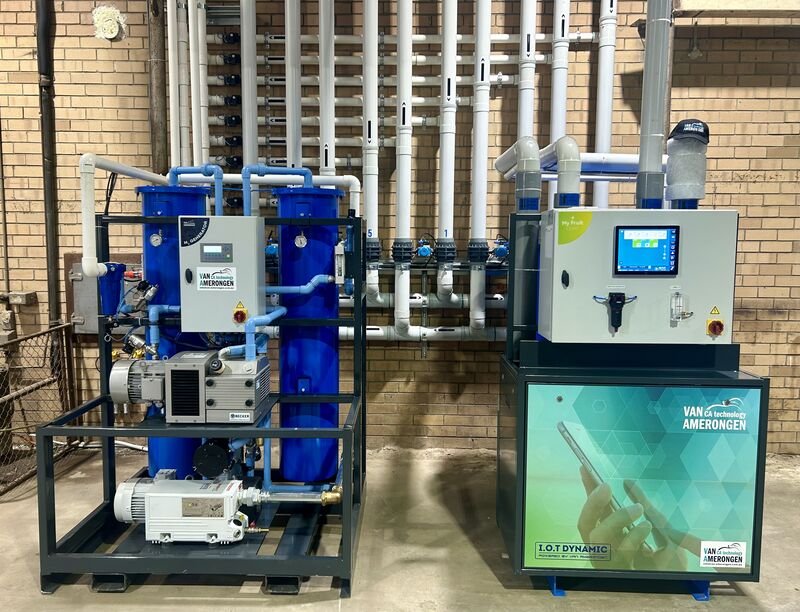
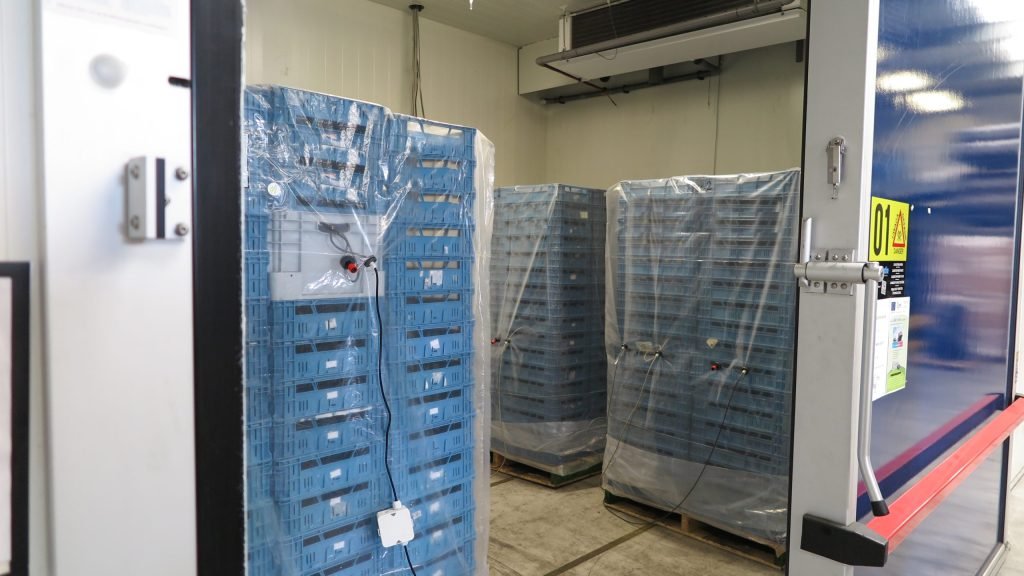
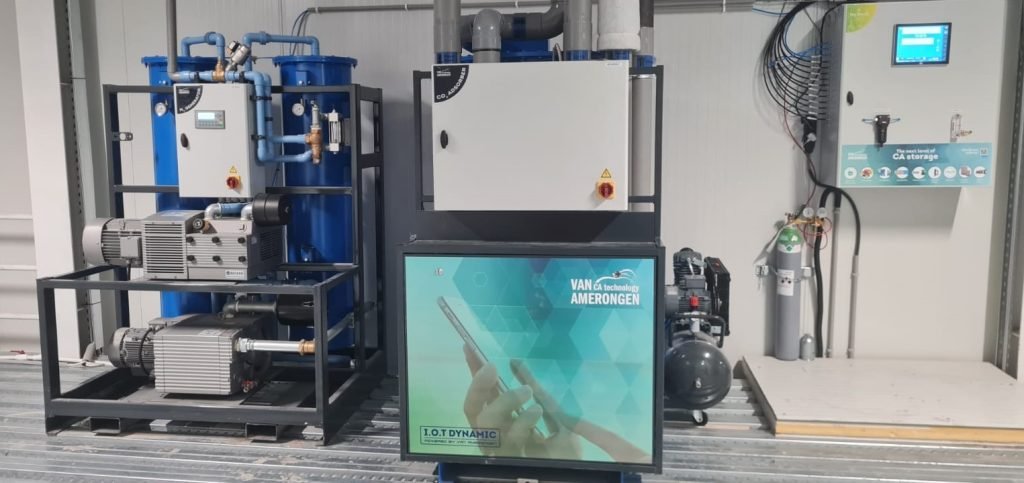
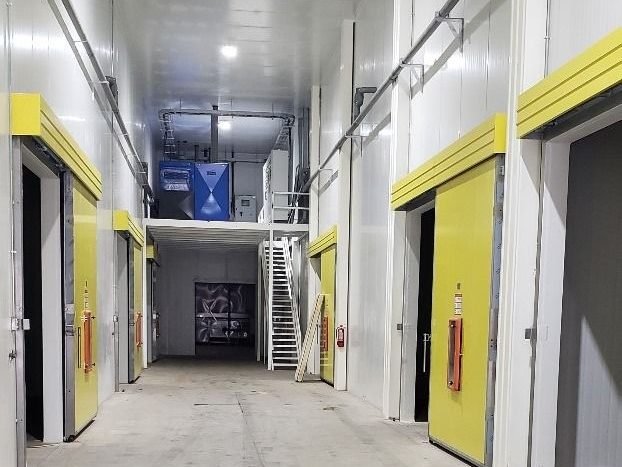
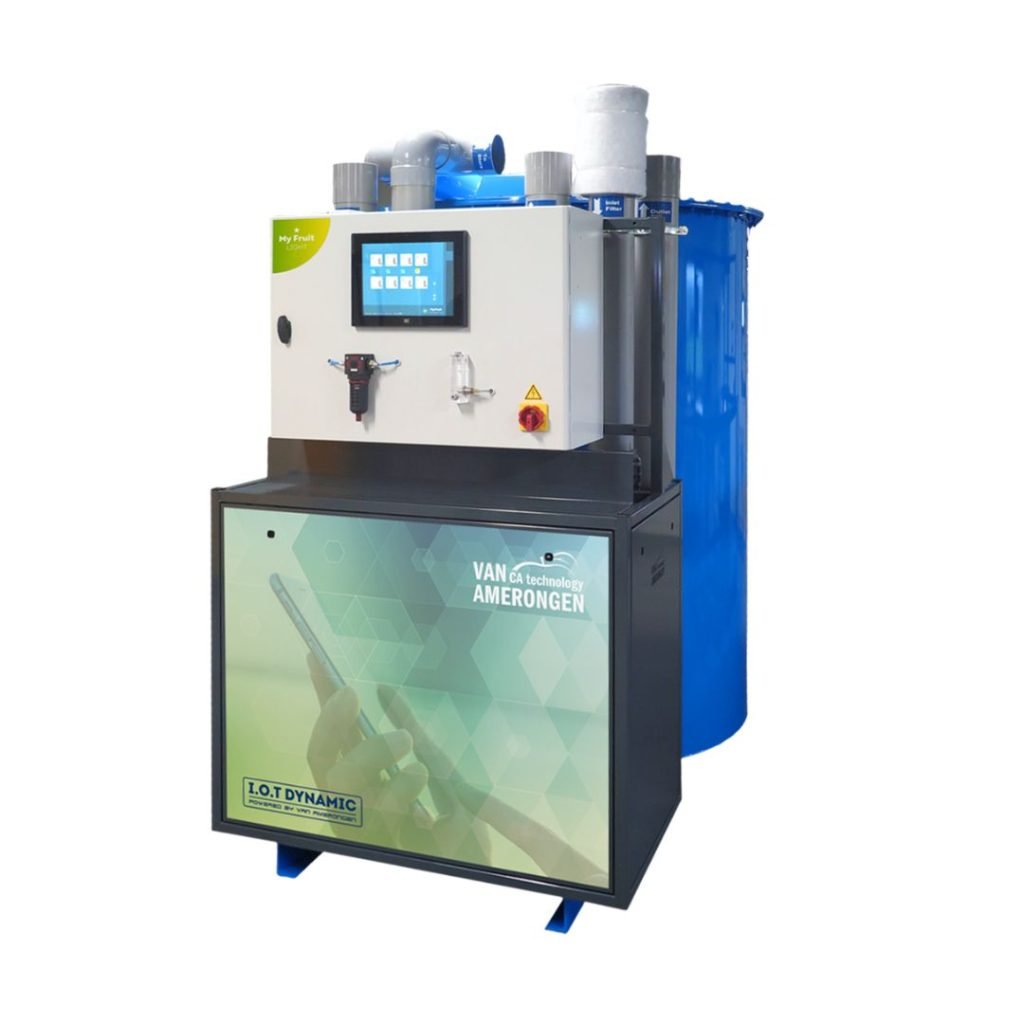
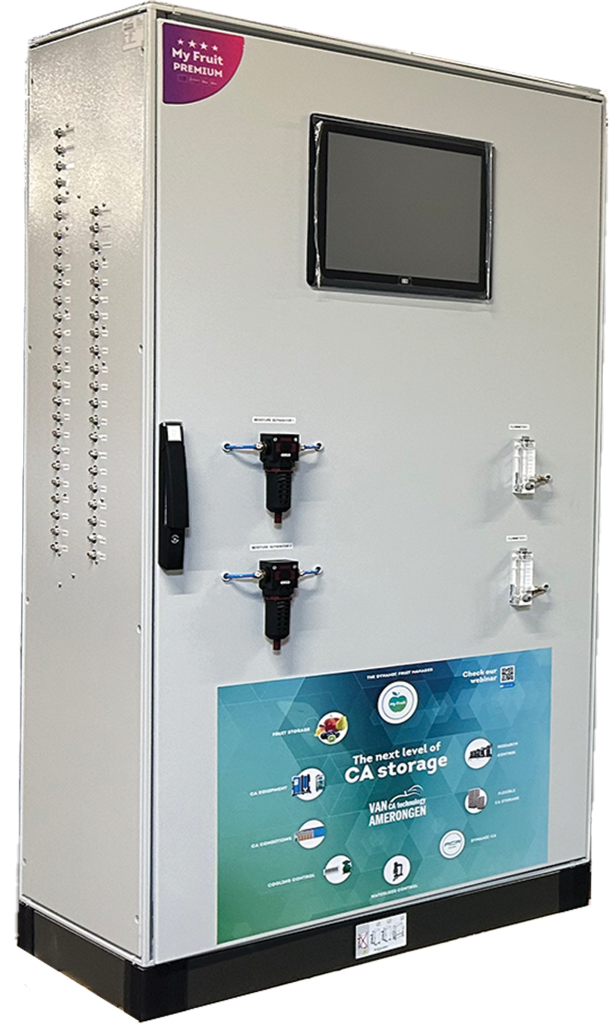
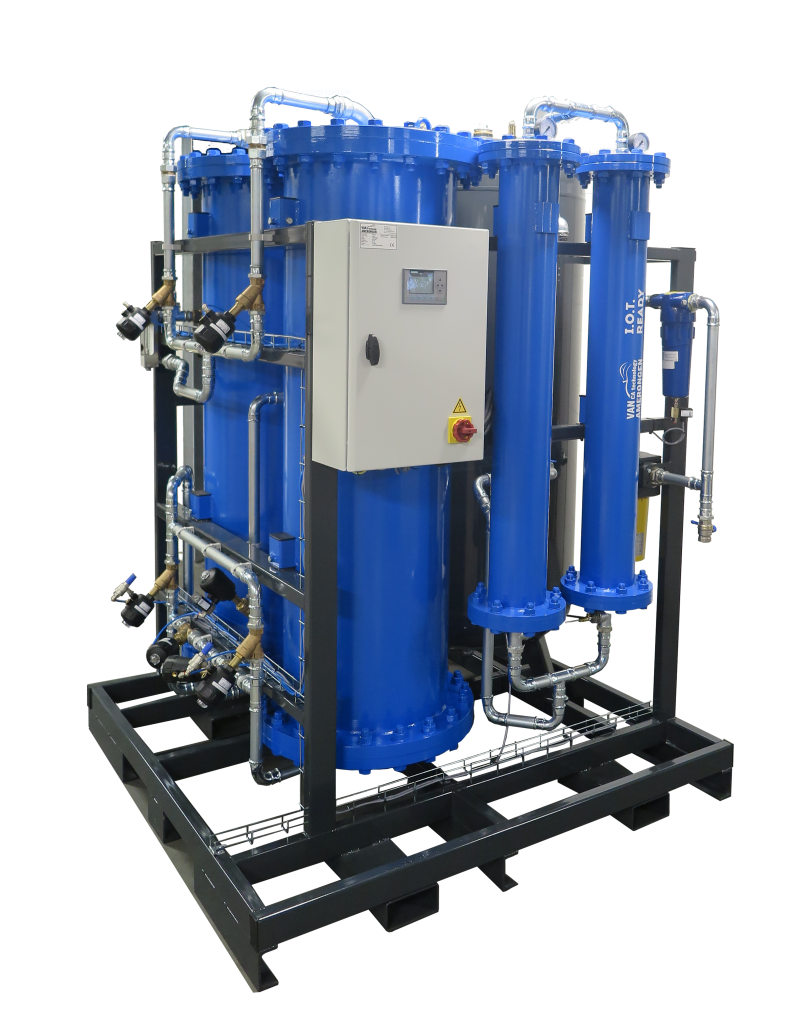
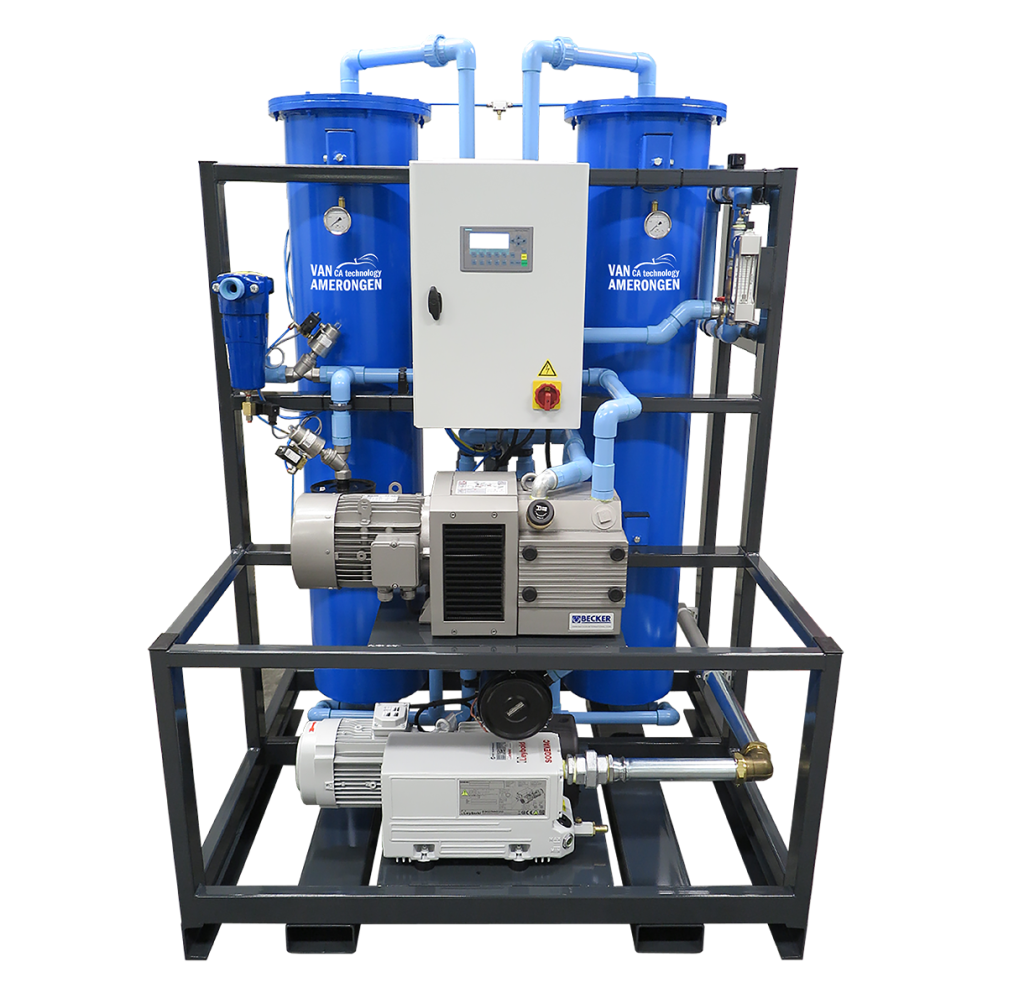
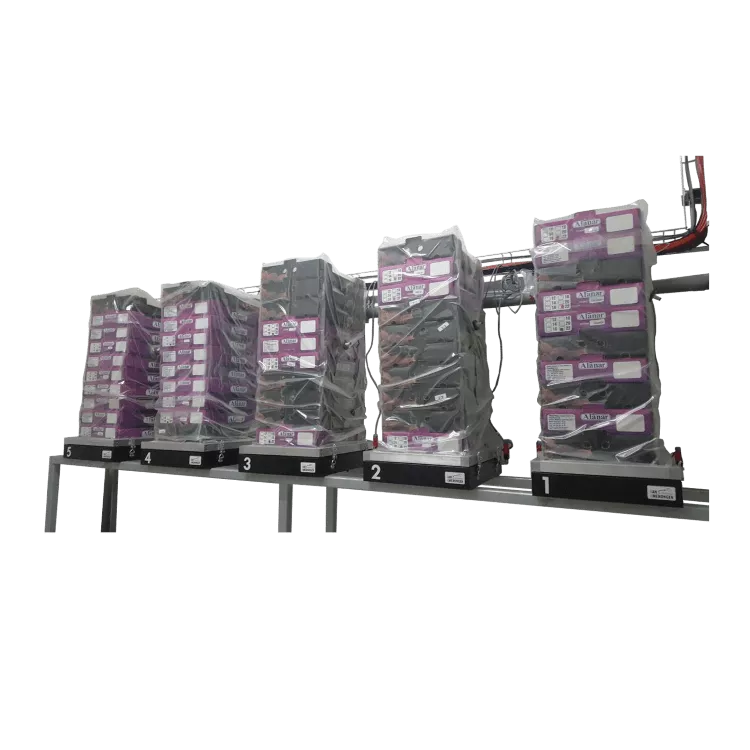
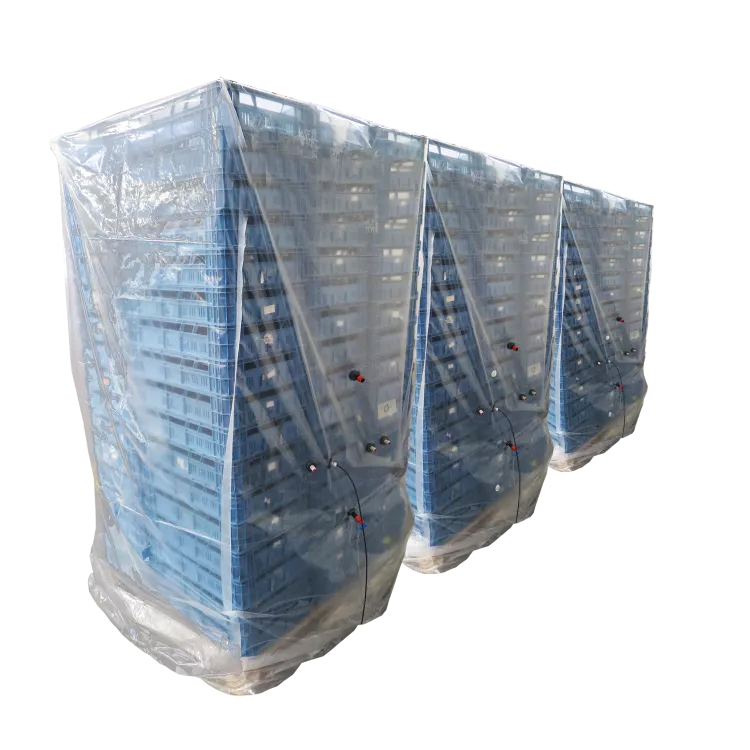
CA storage is incredibly beneficial compared to normal coldstores! Read below how this works.
General info about mango storage
Mangoes, often referred to as the “king of fruits,” are tropical stone fruits belonging to the genus Mangifera and are native to South Asia. They are widely grown in tropical and subtropical regions, with India, China, Thailand, Indonesia, and Mexico being the top producers. Mangoes come in a variety of shapes, sizes, and colors, ranging from green and yellow to red and orange. They are prized for their juicy, sweet flavor and are rich in vitamins A and C, fiber, and antioxidants. Mangoes are versatile and consumed fresh, dried, or in products like juices, chutneys, and desserts. The fruit plays a significant role in cultural traditions and cuisines worldwide.
Harvesting mangoes - initial quality is the key!
Mangoes are typically harvested at their full size before the ripening process begins. Determining the optimal harvest time can be challenging and depends on factors such as shape, peel color, flesh color, and firmness. However, for many mango varieties, peel color is not a reliable indicator of internal ripeness or color.
Before ripening starts, mangoes produce very little ethylene but are sensitive to external ethylene, which triggers the ripening process. Once exposed, the mango begins producing its own ethylene. This property is utilized by harvesting unripe mangoes and initiating ripening with external ethylene in ripening chambers, either before or after transport.
Damaged mangoes are prone to mold growth, which increases ethylene production and can negatively impact nearby undamaged fruit, accelerating their ripening or spoilage.
Pre-cooling mangoes
Due to the very high temperature of mangoes during harvesting, the mangoes must be cooled as soon as possible to the optimum storage temperature after harvesting (using flow cooling or hydro cooling).
Controlled atmosphere storage of Mangoes
Optimizing Storage Conditions to Maximize Shelf Life
Mangoes are stored at temperatures between 8°C and 13°C, depending on the variety and ripeness. While Asian varieties require a high relative humidity of 90–95%, Indian varieties are less tolerant of such conditions. Controlled Atmosphere (CA) storage slows down ripening by reducing respiration rates and ethylene production, helping to preserve mango quality.
The optimal CA conditions for mangoes are 3–7% oxygen (O2) and 5–8% carbon dioxide (CO2). Under these conditions, mangoes can be stored for 3–6 weeks at 13°C, depending on their variety and ripeness stage. In comparison, standard refrigeration allows storage for only 2–4 weeks.
If your product variety is relatively new and no data is currently available, we can provide a complete set of easy-to-use research facilities and guidance to help you conduct small field research yourself!