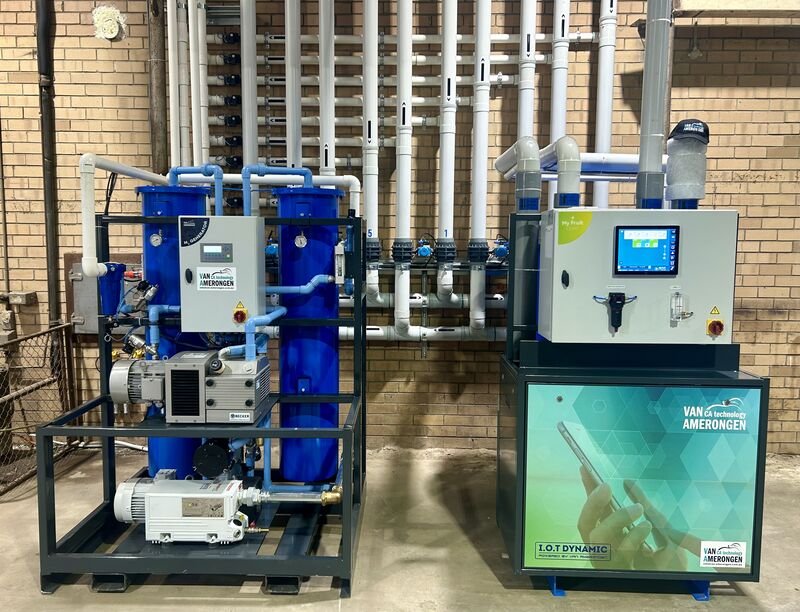
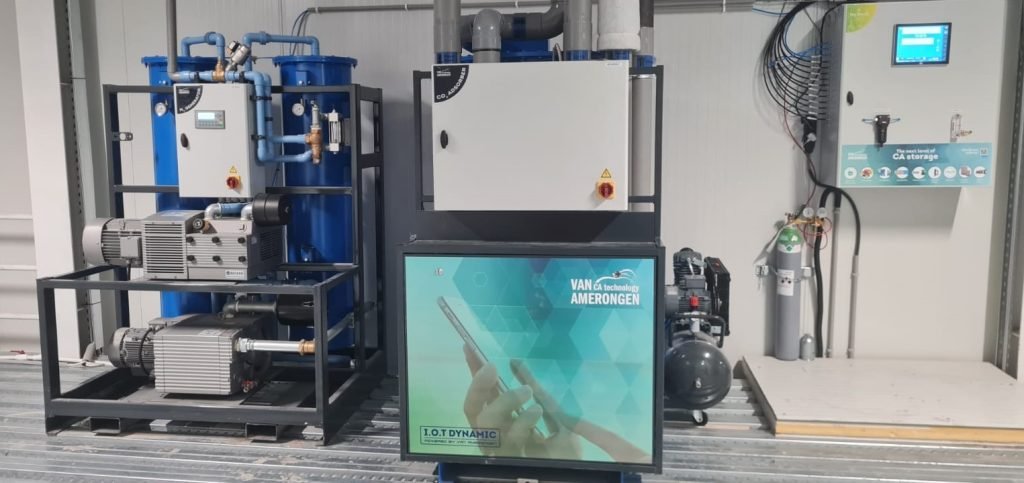
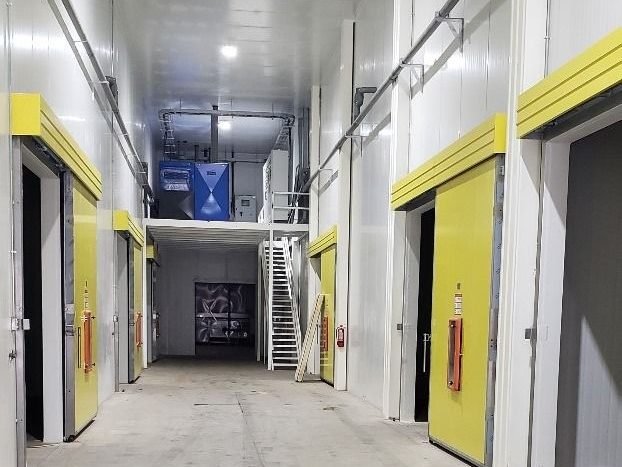
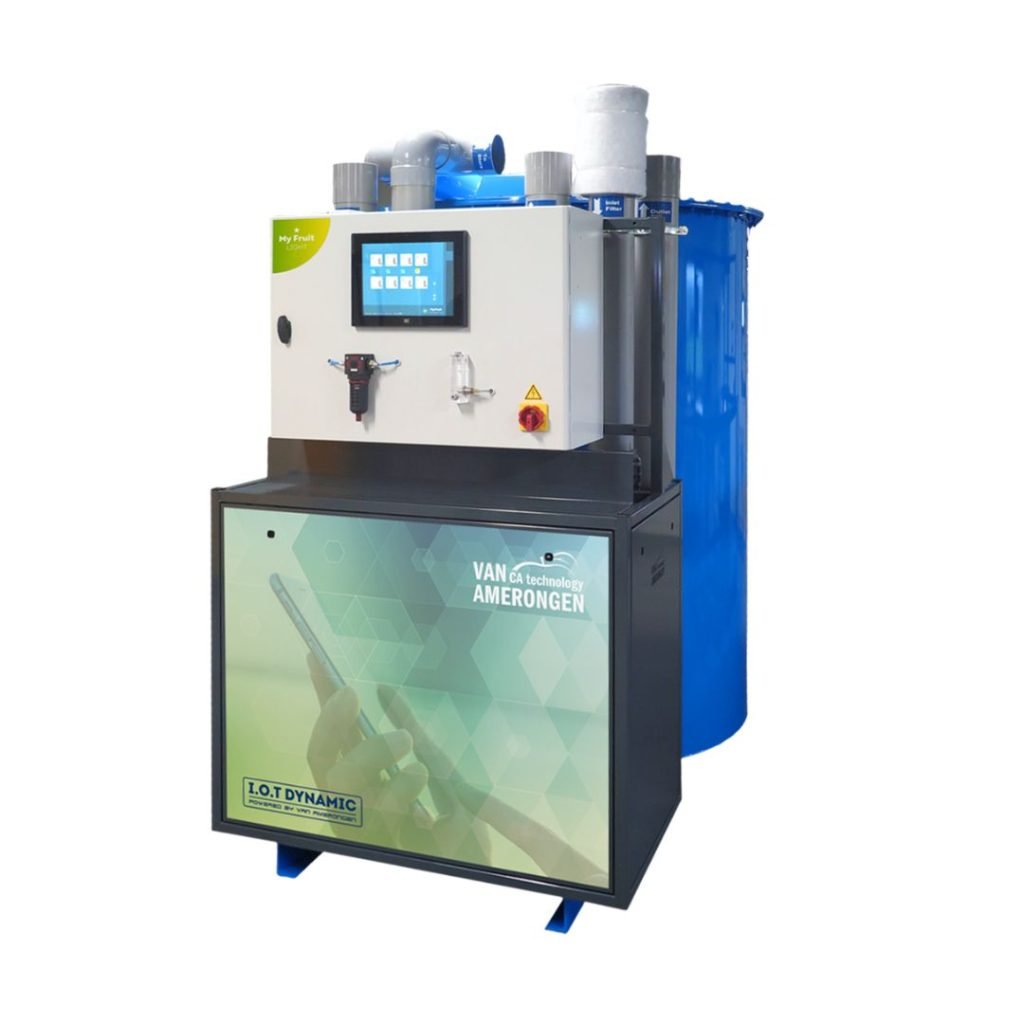
CA storage is incredibly beneficial compared to normal coldstores! Read below how this works.
General info about Grape storage
The global annual production of table grapes reaches 28.4 million metric tons. This growth is primarily driven by increased production in China, which is expected to produce 13.5 million metric tons. Other significant producers include India, Turkey, Brazil, Uzbekistan, Egypt, the European Union, Peru, the United States, and Chile. Collectively, these countries contribute to the global production total.
Popular grape varieties include Thompson Seedless, Flame Seedless, Crimson Seedless, Red Globe, Ruby Seedless, Red Seedless, Muscat, and Sugraone. For successful long-term storage, maintaining exceptional grape quality is essential, supported by strict harvesting and storage protocols.
Harvesting grapes - initial quality is the key!
Before storage, any bruised or damaged fruit is carefully removed. The optimal harvest time depends on local quality standards, including Soluble Solids Concentration (SCC) percentage, sugar-to-acid ratio, and color. Higher sugar levels enhance storage potential, especially under Controlled Atmosphere (CA) conditions.
Botrytus & SO2 treatment
Table grapes are particularly prone to Botrytis, a fungus that causes substantial quality loss. To prevent infections, grapes are treated with sulfur dioxide (SO2). Without CA storage or SO2 treatment, Botrytis can develop within 1 to 1.5 months, depending on the grape variety and initial quality.
(CA) Controlled atmosphere (ULO) Ultra low oxygen storage of grapes
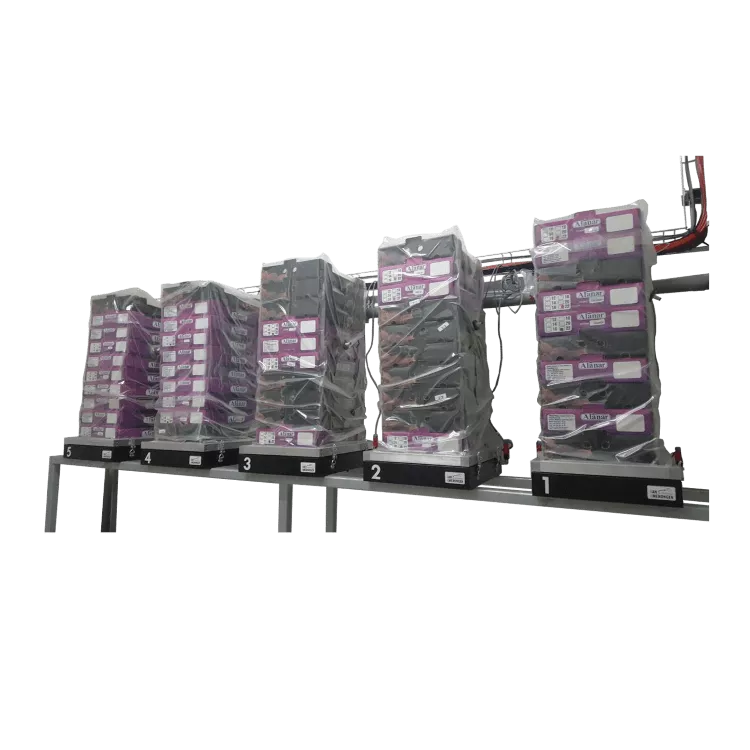
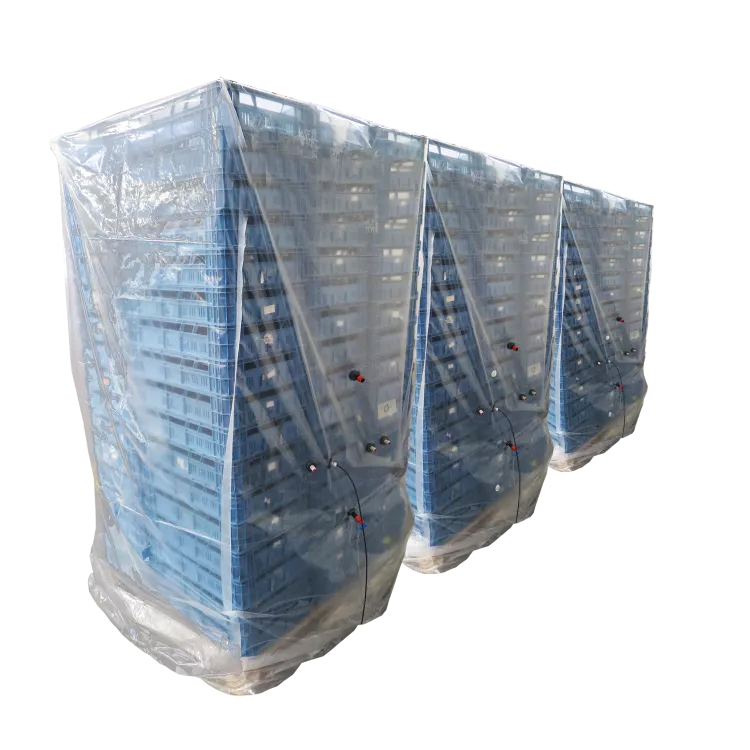
Storing grapes under Controlled Atmosphere (CA) conditions may not always extend the storage period, but it significantly enhances overall quality. The effectiveness of CA storage heavily depends on the initial quality of the grapes. A key benefit is reduced moisture loss, achieved by lowering respiration rates and leveraging the fungistatic effects of elevated CO2 levels in the cold storage or Palliflex system.
To store grapes in Controlled Atmosphere (CA) storage, maintain temperatures between -0.5°C and 0°C with a relative humidity of 90-95% to minimize moisture loss. The atmosphere should be adjusted to approximately 3% oxygen (O2) and 10-20% carbon dioxide (CO2). Elevated CO2 levels inhibit the growth of Botrytis and other fungi, while low oxygen slows respiration, preserving freshness. Pre-cooling grapes immediately after harvest is essential to reduce spoilage and ensure the best results from CA storage.
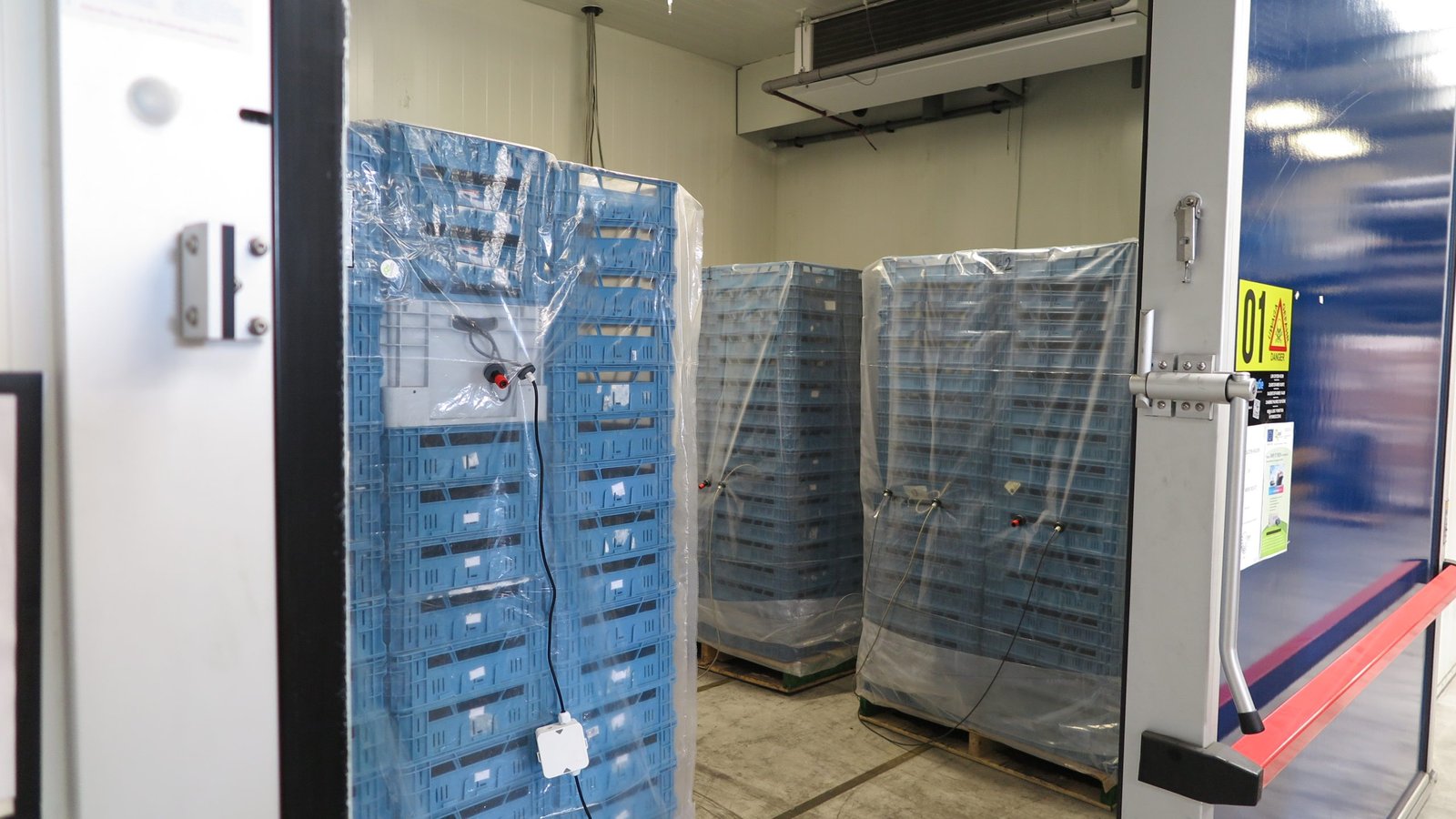
Grapes are highly sensitive to fungal infections like Botrytis, so they are often treated with sulfur dioxide (SO2) before storage for additional protection. Advanced storage systems, such as Palliflex, can further enhance storage outcomes by maintaining precise atmospheric control. By optimizing these conditions, grapes can remain fresh and high-quality for up to 8-10 weeks, depending on the variety and initial quality.
Maintain initial quality & reduce fruit loss
Effects of CA storage
Maining initial firmness and texture
Reduced respiration rate
Maintain nutrients
Prevent mould growth
Delay ripening of climacteric fruits
Prevent scald
Internal browning for apples
Prevent discoloration
Less weight loss (monitor by water-meter connected with MyFruit)
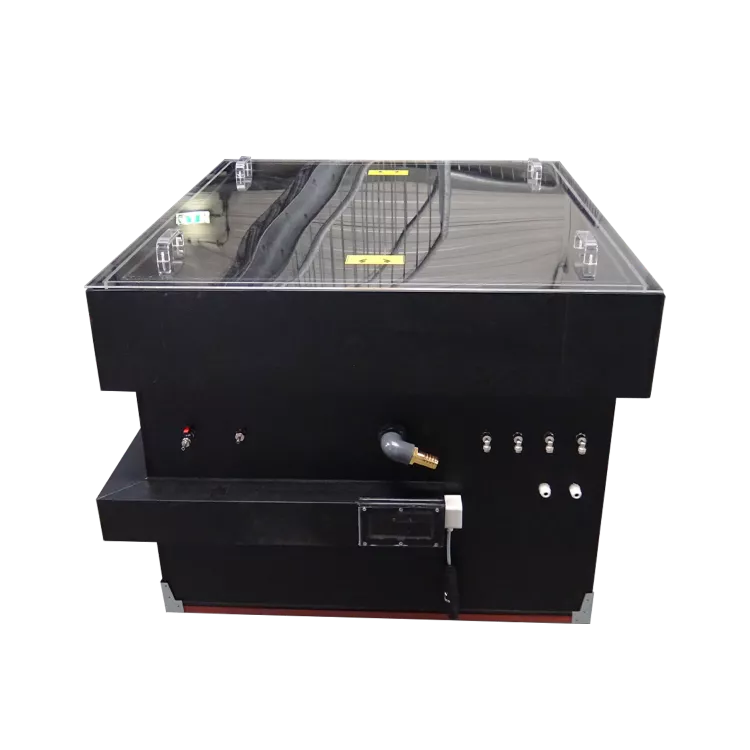
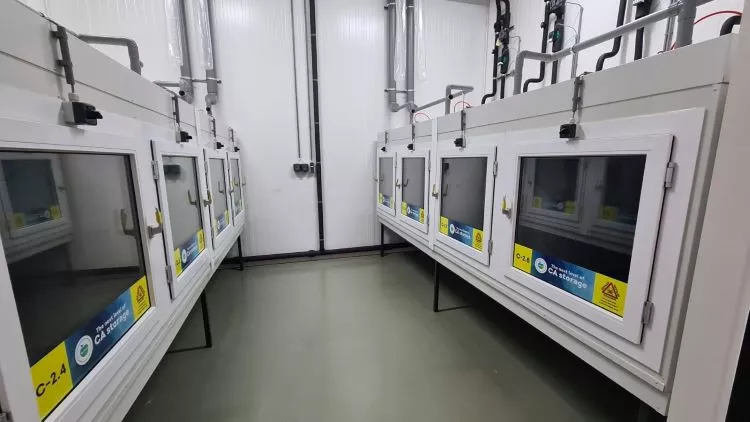
If your product variety is relatively new and no data is currently available, we can provide a complete set of easy-to-use research facilities and guidance to help you conduct small field research yourself!