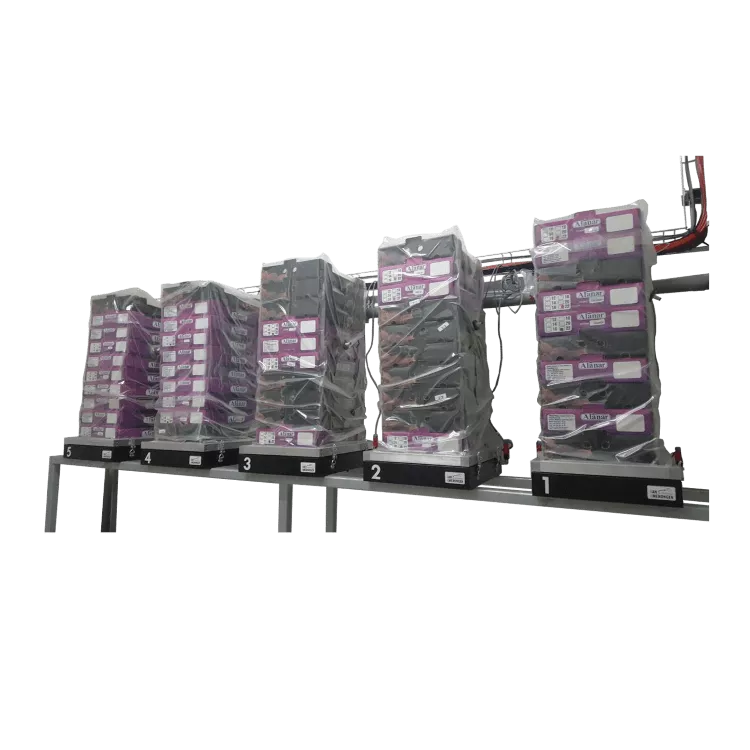
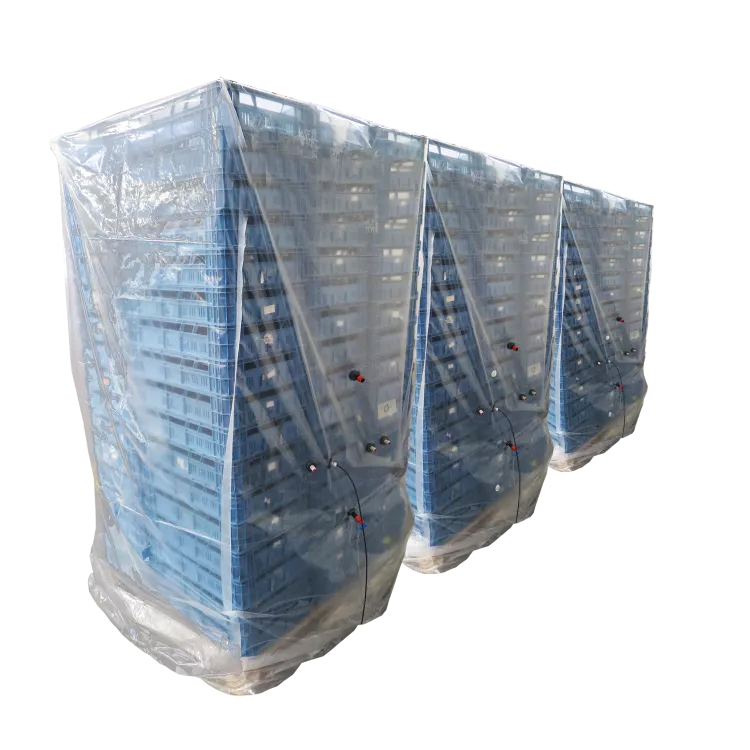
CA storage is incredibly beneficial compared to normal coldstores! Read below how this works.
General info about Cherry storage
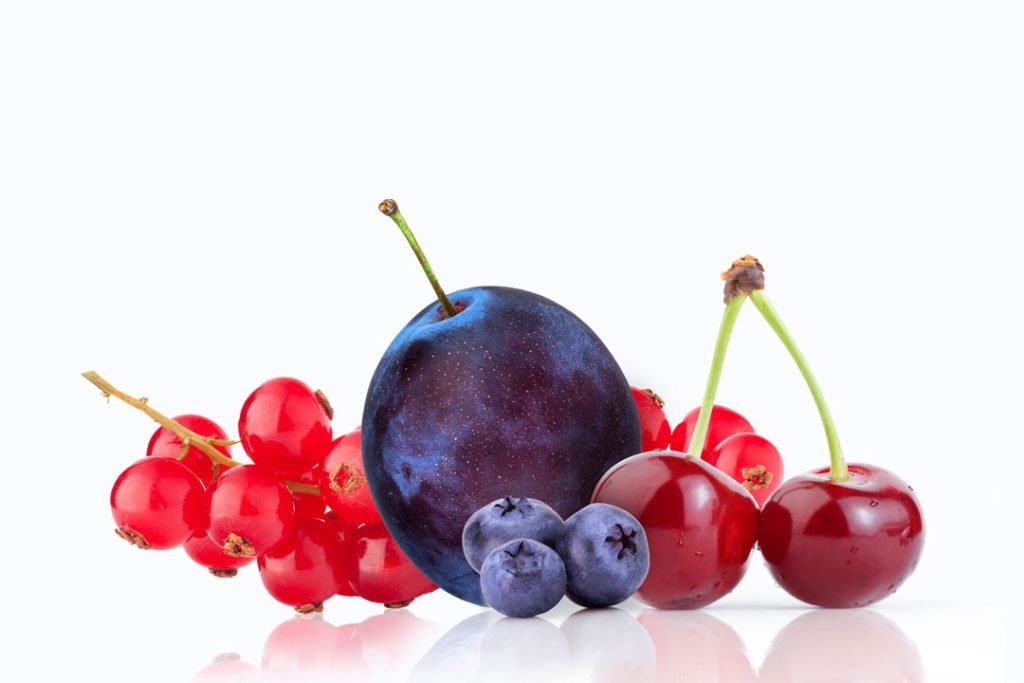
Cherry production is widespread, with major growing regions including the United States, Turkey, and Spain. Known for their sweet, juicy flavor and vibrant color, cherries are highly popular both fresh and in processed forms, such as jams, juices, and desserts. Their popularity continues to grow globally, driven by demand for their health benefits, including antioxidants and vitamins. With a relatively short harvest season, cherries are a highly anticipated fruit each year, enjoyed by consumers worldwide for their refreshing taste and versatility in culinary uses.
Harvesting Cherries - initial quality is the key!
The right time to harvest is critical to what is possible with the cherries after harvest. The color of the peel and refraction values determine the ideal harvest time. Damaged cherries have a limited storage capability. Moisture loss is a major limiting factor for the preservation of cherries. The consequence of excessive moisture loss is dehydration and brown discoloration of the stem. In order to prevent that, cherries should be placed in the shade immediately, already in the orchard. Optionally, precooling should be applied to get the right storage temperature within 4 hours after harvesting.
Pre-cooling Cherries
Pre-cooling cherries immediately after harvest is essential to preserve their freshness and extend shelf life. Rapid cooling helps slow down respiration and delays the ripening process, maintaining their firm texture and vibrant color. Cherries should be pre-cooled to around 0°C as quickly as possible, typically within hours of picking, to prevent moisture loss and reduce the risk of decay. This is especially important for maintaining quality during transport and storage, ensuring cherries reach consumers in optimal condition. Pre-cooling also helps reduce the likelihood of chilling injury when stored at low temperatures.
Controlled atmosphere storage of Cherries
Optimizing Storage Conditions to Maximize Shelf Life
Cherries benefit significantly from controlled atmosphere (CA) storage, where elevated levels of carbon dioxide (CO2) help extend their shelf life. Increasing the CO2 content reduces the rate of decay, limits the growth of harmful microorganisms, and helps maintain the fruit’s freshness and appealing appearance. By managing the CO2 concentration between 5% and 10%, cherries remain firmer for a longer period, reducing the likelihood of softening and preserving their texture. This approach also minimizes the risk of rotting, allowing cherries to retain their quality throughout storage and transportation.
However, while moderate levels of CO2 provide significant advantages, it is important to avoid excessively high concentrations. CO2 levels above 30% can cause undesirable effects such as brown discoloration and flavor deterioration. Therefore, maintaining the right balance of oxygen and CO2 is crucial to ensure cherries are stored in optimal conditions. Proper management of CO2 not only extends shelf life but also ensures that cherries retain their vibrant color, sweet taste, and overall quality, making them more appealing to consumers.
Maintain initial quality & reduce fruit loss
Effects of CA storage
Maining initial firmness and texture
Reduced respiration rate
Maintain nutrients
Prevent mould growth
Delay ripening of climacteric fruits
Prevent scald
Internal browning for apples
Prevent discoloration
Less weight loss (monitor by water-meter connected with MyFruit)
If your product variety is relatively new and no data is currently available, we can provide a complete set of easy-to-use research facilities and guidance to help you conduct small field research yourself!