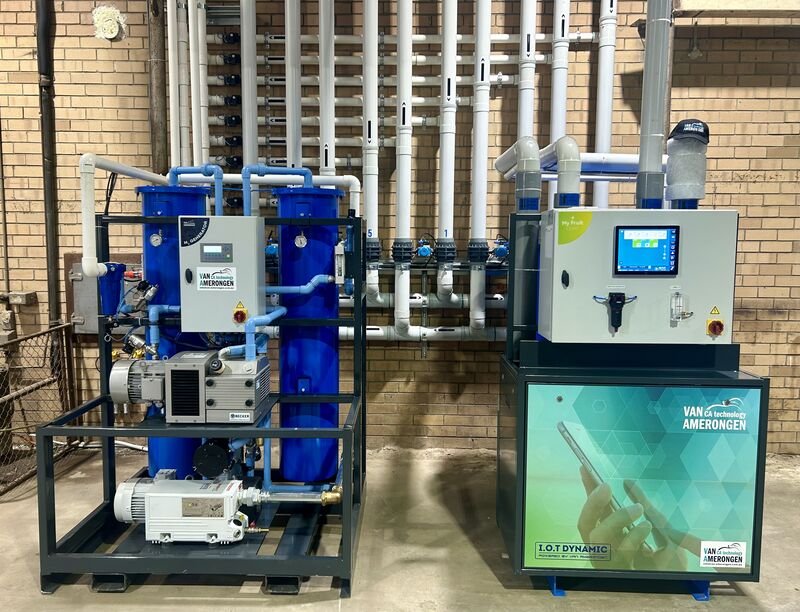
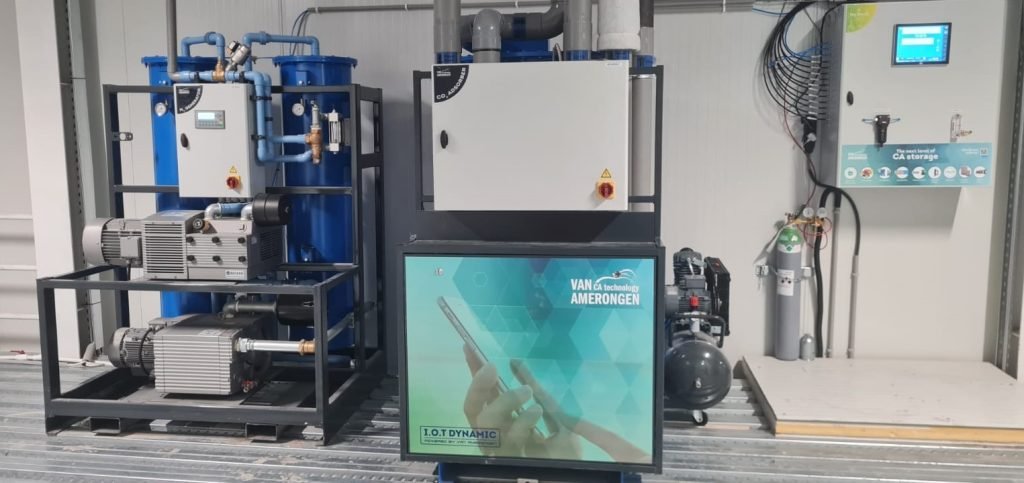
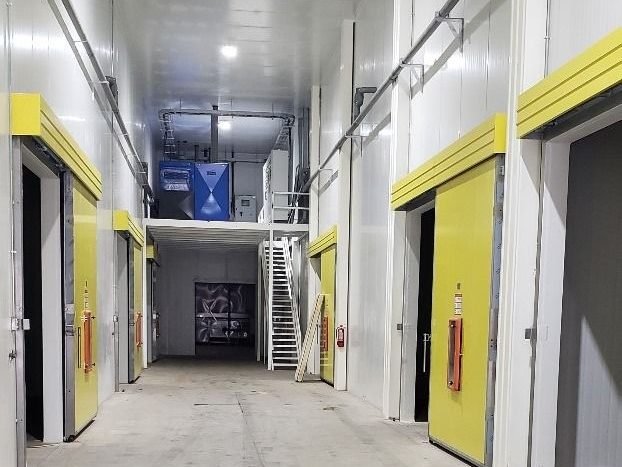
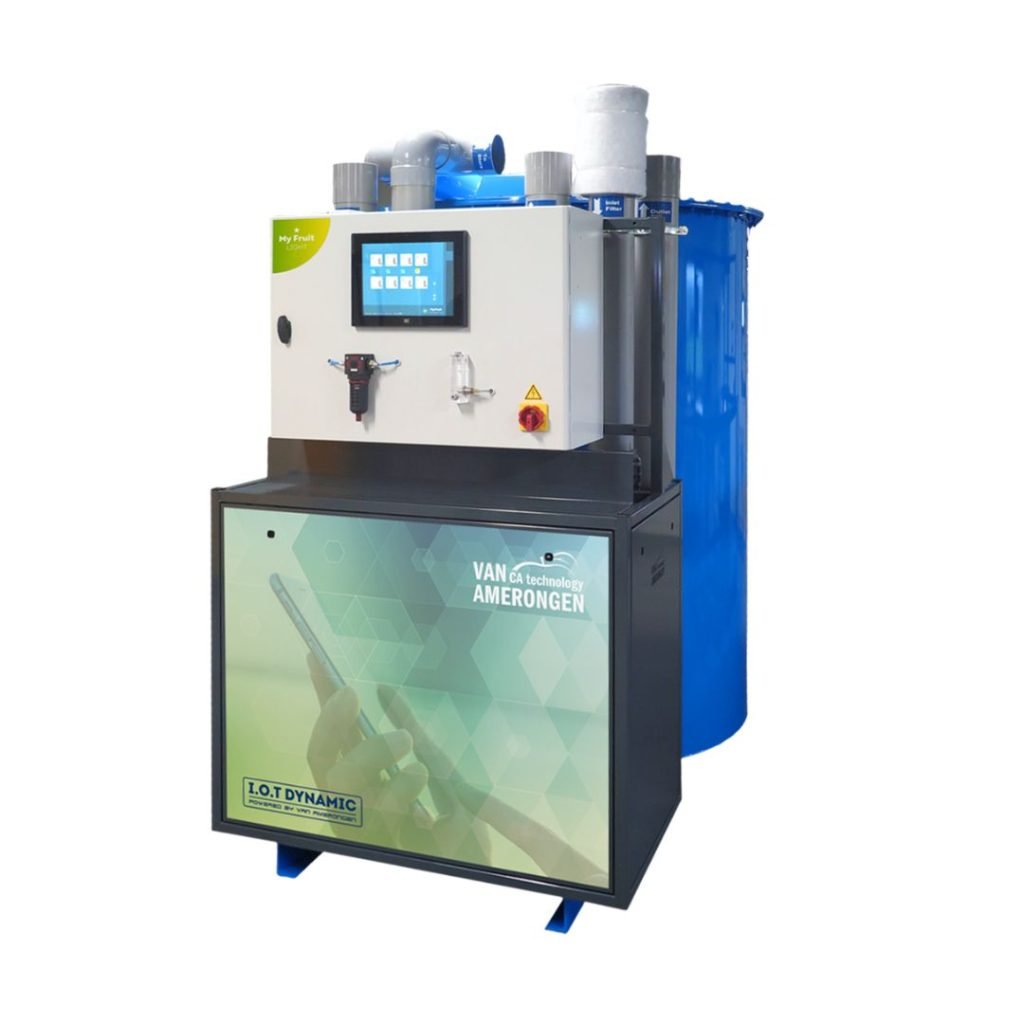
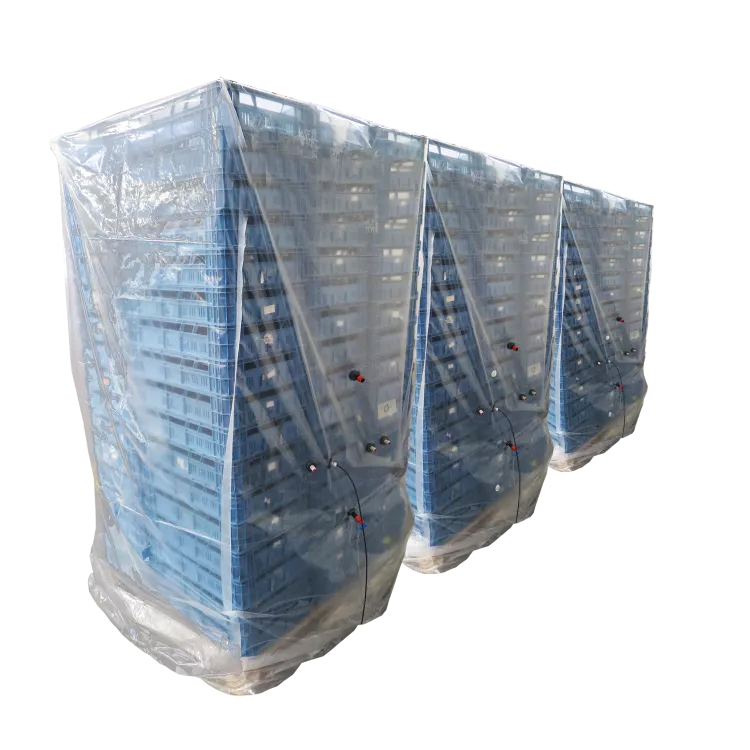
CA storage is incredibly beneficial compared to normal coldstores! Read below how this works.
General info about blueberry storage
Blueberries are a beloved fruit worldwide, known for their sweet-tart flavor, vibrant color, and powerful health benefits. Grown across North America, Europe, South America, and Asia, global production has surged in recent years to meet rising demand. Packed with antioxidants and nutrients, blueberries are enjoyed fresh, frozen, or in a variety of products like smoothies, desserts, and jams, making them a favorite among health-conscious consumers.
Harvesting blueberries - initial quality is the key!
The right moment for harvesting blueberries can best be determined on the basis of the color of the berries, and optionally the sugar and acid content. The berries are harvested when (almost) ripe, because the quality quickly decreases after harvest. Berries meant for the fresh market should be harvested manually, because of their sensitivity. Damage can quickly lead to mold growth.
Pre-cooling blueberries
If the temperature of the blueberries at the moment of harvest is very high, pre-cooling is necessary (cooling flow) to bring them to the optimum storage temperature as quickly as possible. This reduces water loss and extends shelf life.
(CA) Controlled atmosphere storage of blueberries
Optimizing Storage Conditions to Maximize Shelf Life
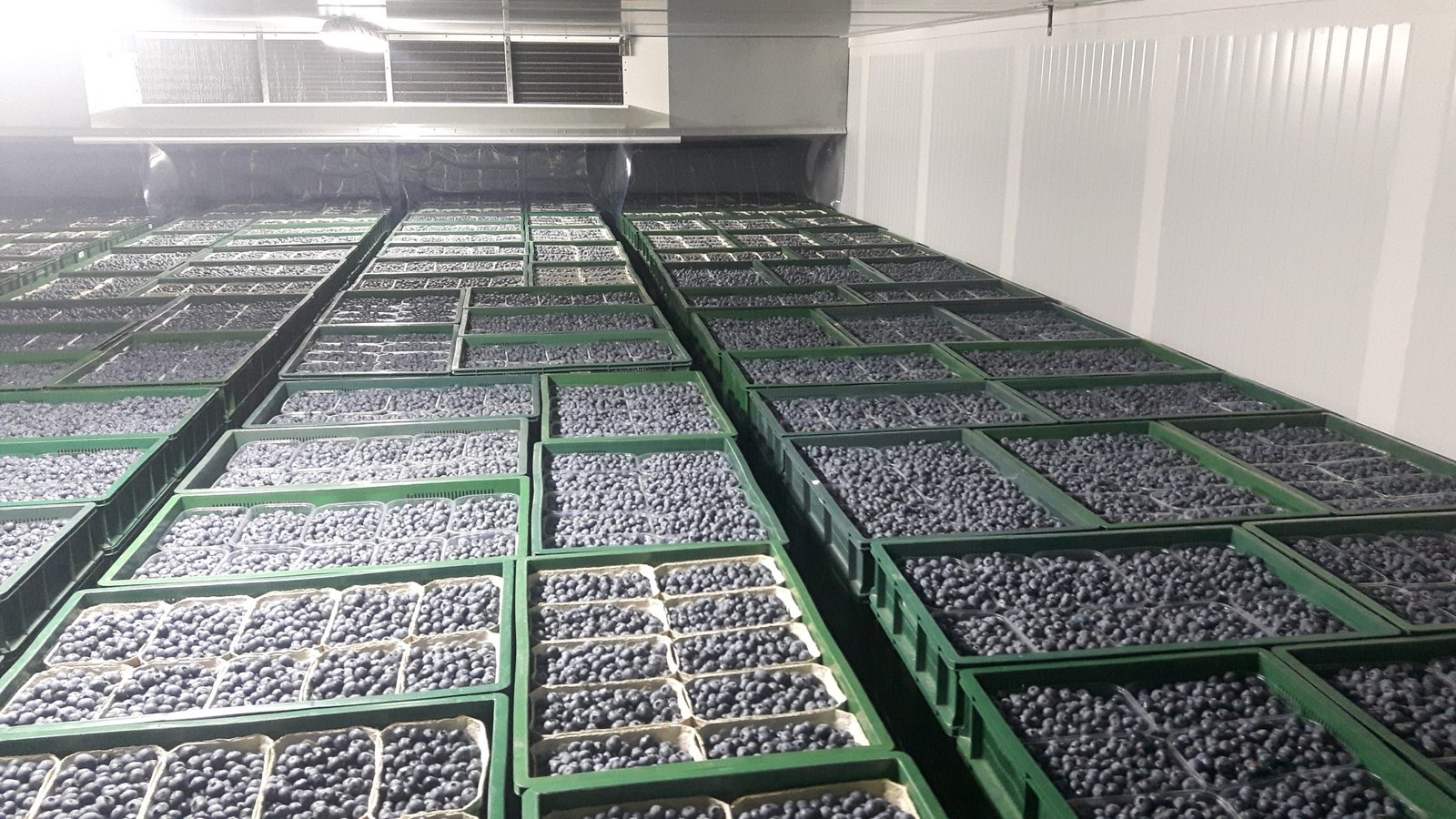
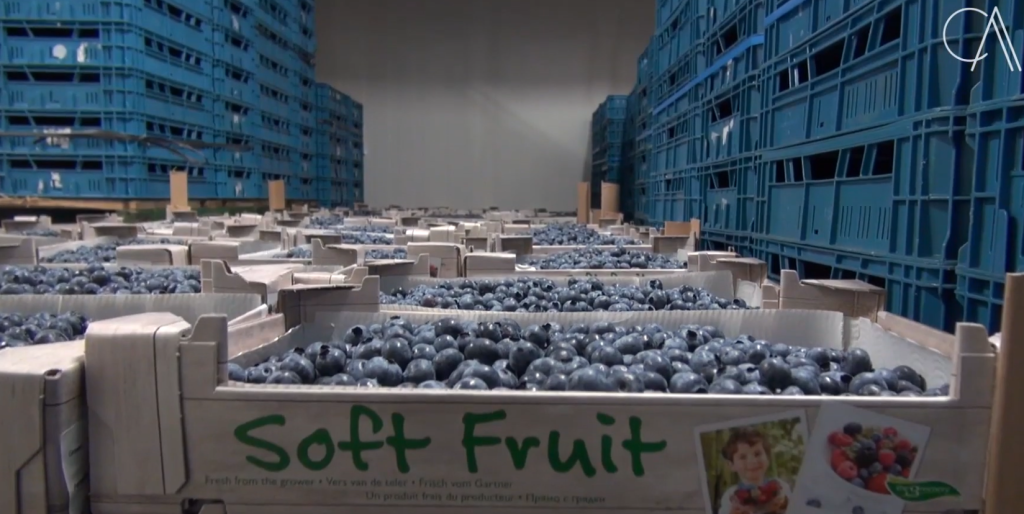
Blueberries have a relatively short storage life, but proper conditions can significantly extend their freshness. To store blueberries effectively, maintain temperatures near freezing (-0.5°C to 0°C) and a high relative humidity of 90-95%. Pre-cooling immediately after harvest is essential to reduce spoilage. However, late harvests often contain a mix of soft and fully mature berries, which do not store as well.
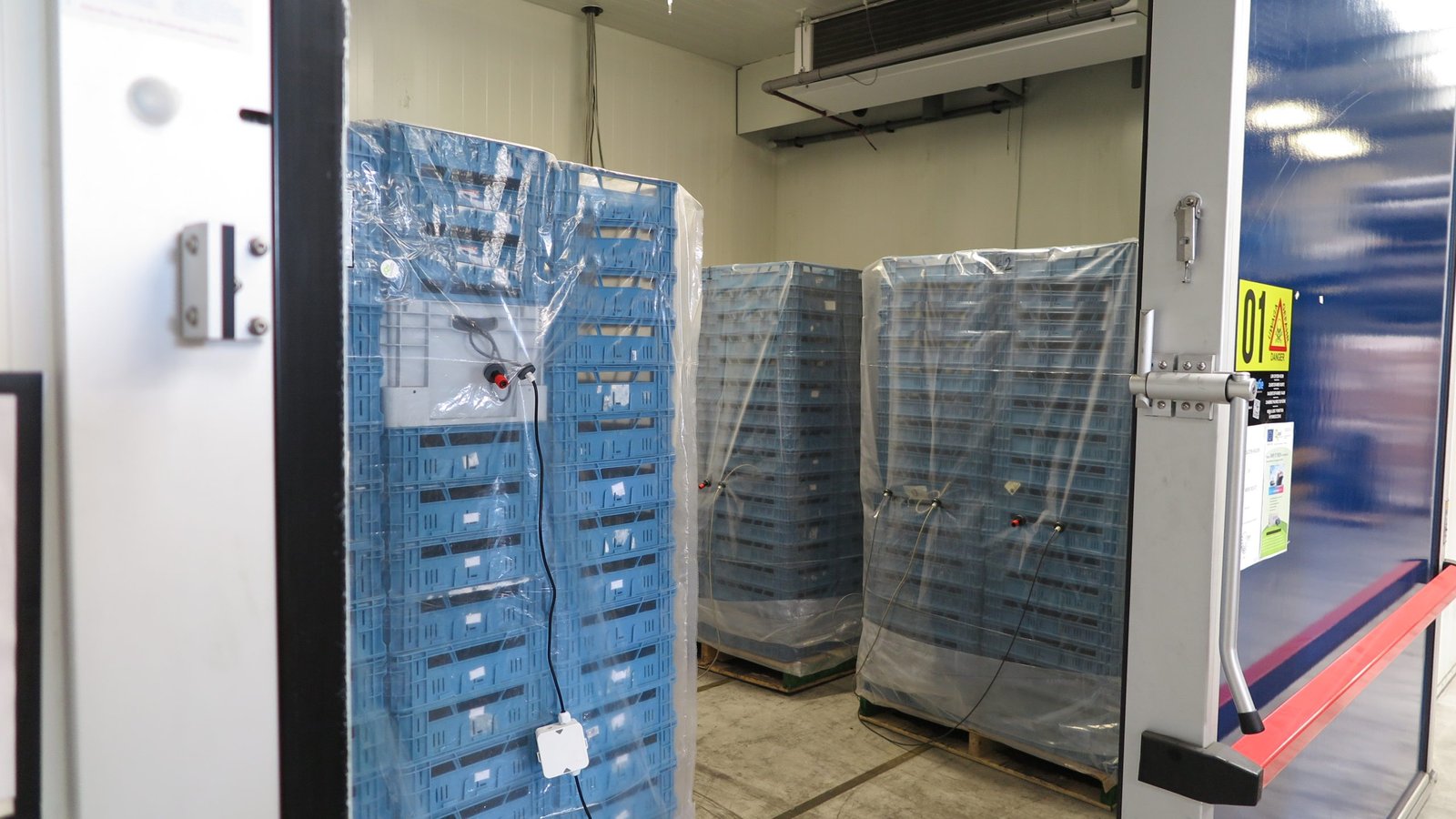
Using a higher CO2 concentration (15-20%) can help prevent Botrytis and other fungal growth. Controlled Atmosphere (CA) storage with 3% O2 and 10% CO2 can extend shelf life up to 8 weeks, while advanced systems like Palliflex storage can extend it even further, up to 9 or 10 weeks.
As climacteric fruit, blueberries respond to ethylene, but ethylene removal is not necessary since they are harvested at full ripeness, and their flavor does not improve post-harvest. By optimizing storage conditions, the freshness and quality of blueberries can be preserved for longer periods.
Maintain initial quality & reduce fruit loss
Effects of CA storage
Maining initial firmness and texture
Reduced respiration rate
Maintain nutrients
Prevent mould growth
Delay ripening of climacteric fruits
Prevent scald
Internal browning for apples
Prevent discoloration
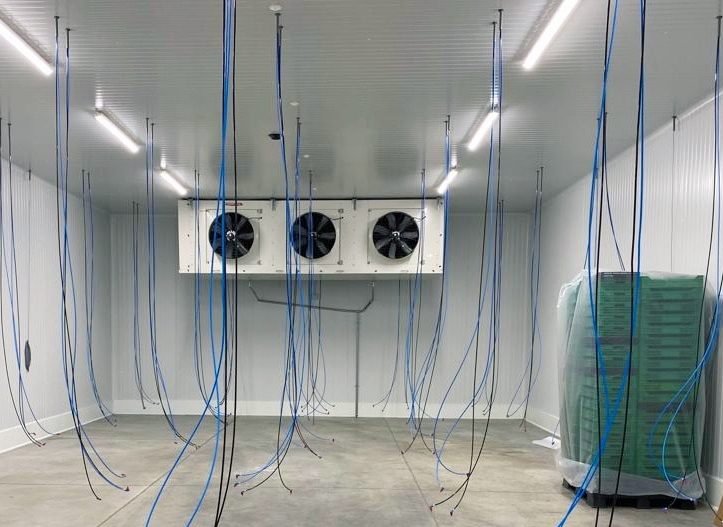
Less weight loss (monitor by water-meter connected with MyFruit)
If your product variety is relatively new and no data is currently available, we can provide a complete set of easy-to-use research facilities and guidance to help you conduct small field research yourself!