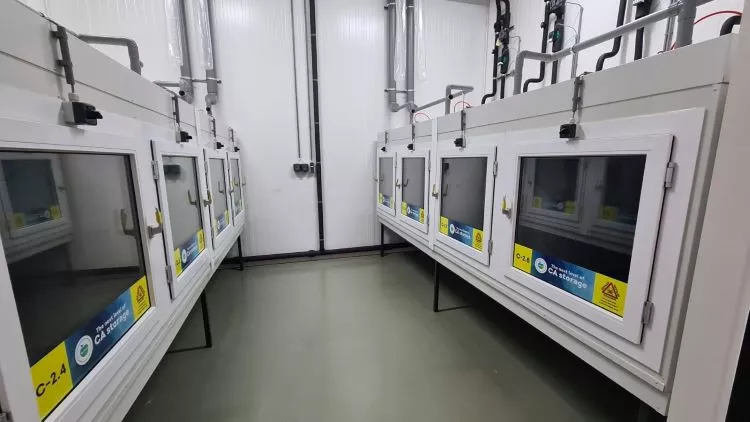
CA storage is incredibly beneficial compared to normal coldstores! Read below how this works.
General info about pomegranate storage
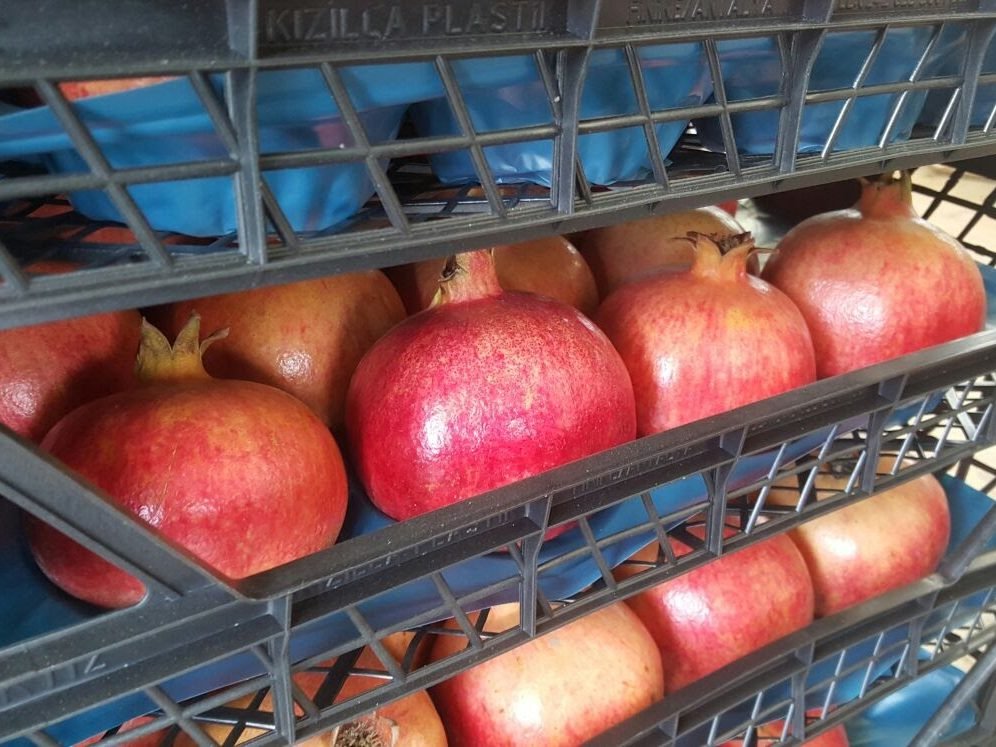
Pomegranates are widely grown in warm climates, with major producers including India, China, and the U.S. Known for their health benefits and vibrant seeds, they are used in juices, cooking, and fresh consumption. To preserve their quality, pomegranates should be stored in cool, dry conditions at temperatures of 5°C to 8°C with 85-90% humidity. While they do not ripen after harvest, proper storage can extend their shelf life for several months, keeping them fresh for longer.
Harvesting pomegranates - initial quality is the key!
Pomegranate harvest typically occurs in late summer to early autumn, depending on the region and variety. The fruit is carefully hand-picked when fully ripe, as it does not continue to ripen after harvesting. Ripe pomegranates are characterized by a deep, rich color and a firm, plump appearance, with a slightly metallic sound when tapped. Harvesting is a delicate process to avoid damaging the fruit’s tough skin or bursting the seeds inside. In regions with hot climates, the harvest season can vary, but it generally takes place from September to November. Timely harvesting is crucial to ensure optimal fruit quality and to prevent over-ripening or splitting.
(CA) Controlled atmosphere storage of Pomegranates
Optimizing Storage Conditions to Maximize Shelf Life
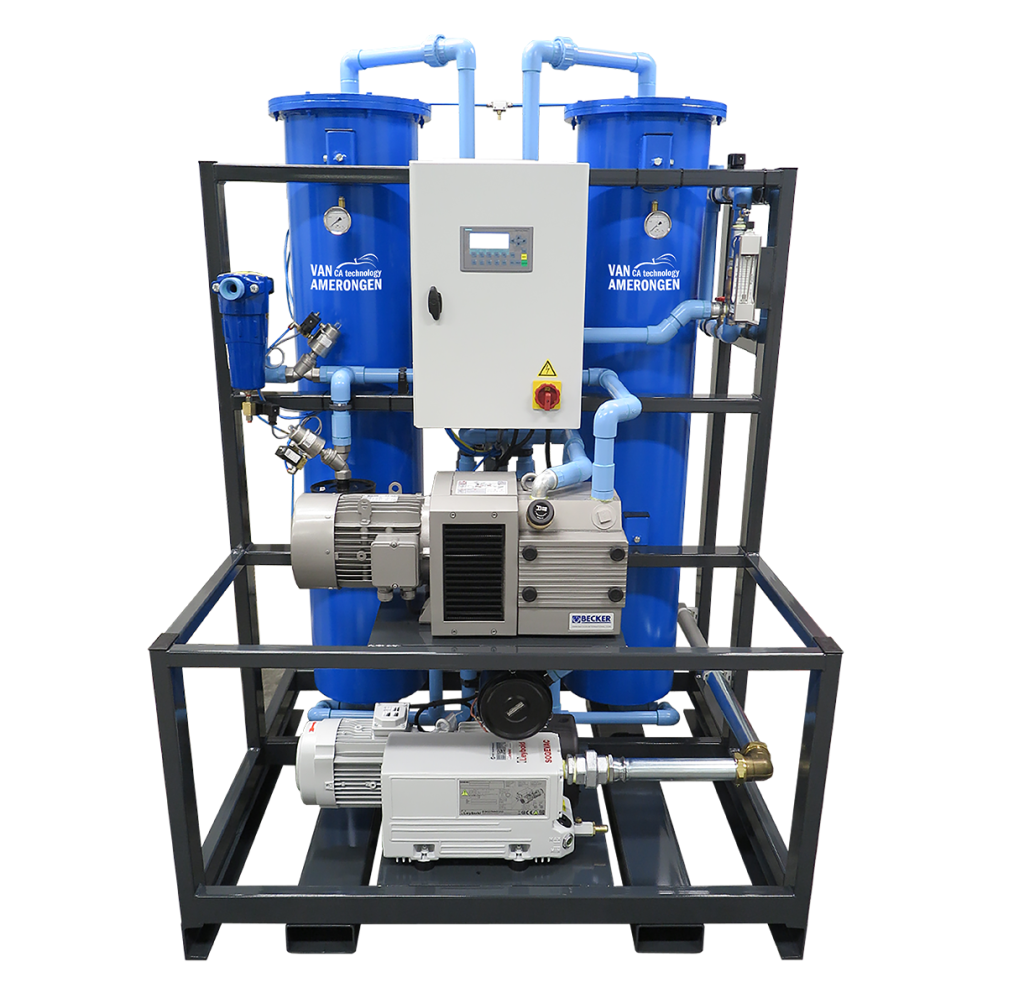
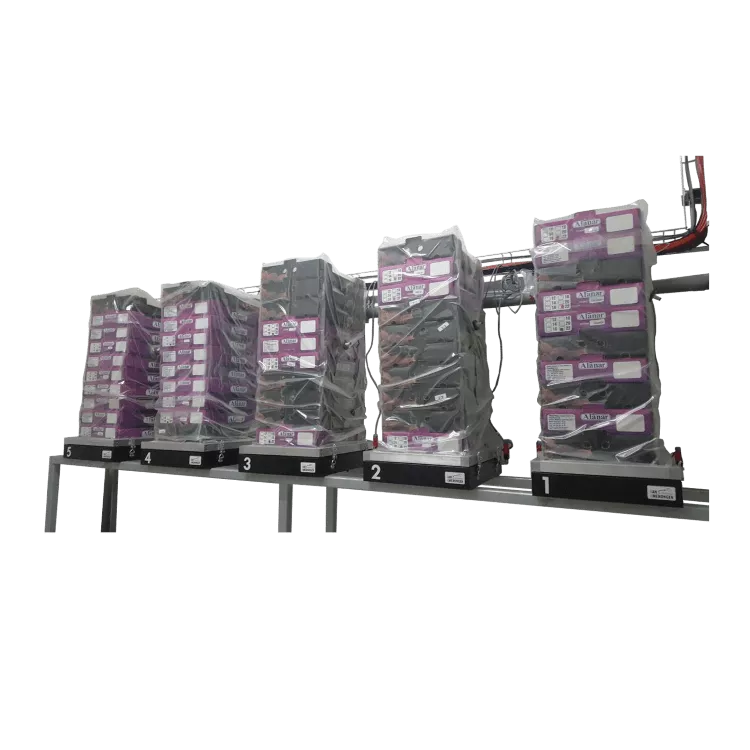
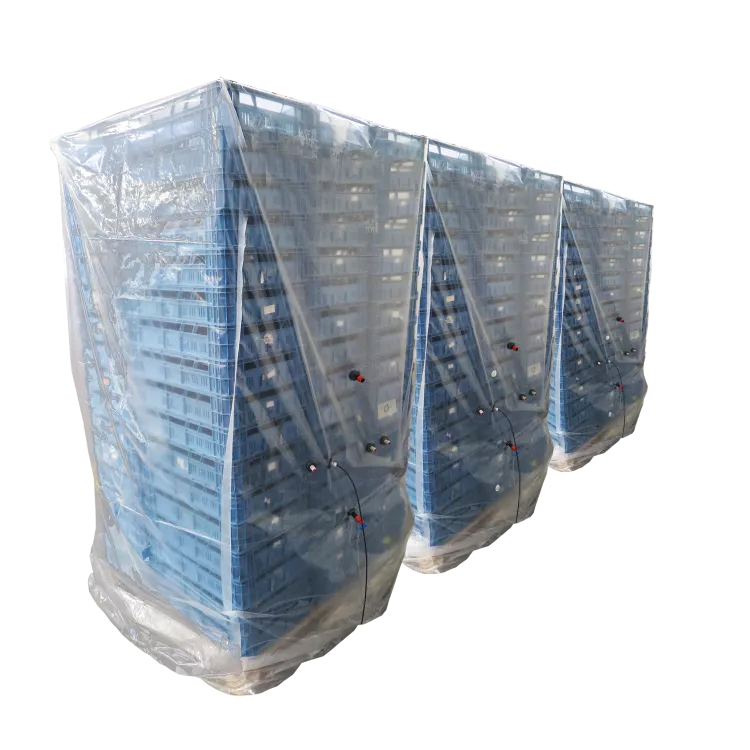
Pomegranates stay fresh much longer when stored in cold storage with Controlled Atmosphere (CA) conditioning. The ideal storage conditions include 3% O2 and 6% CO2, which help maintain fruit quality for up to 6 months. Lowering O2 to 2% reduces the risk of low-temperature decay when stored at 5°C or below. For longer storage, temperatures should be raised to 7.2°C to prevent freezing damage. Pomegranates are highly sensitive to moisture loss, so storage in liners and wax treatments are recommended to retain moisture. The optimal relative humidity (RH) for storing pomegranates is 90-95% to ensure they remain firm and fresh.
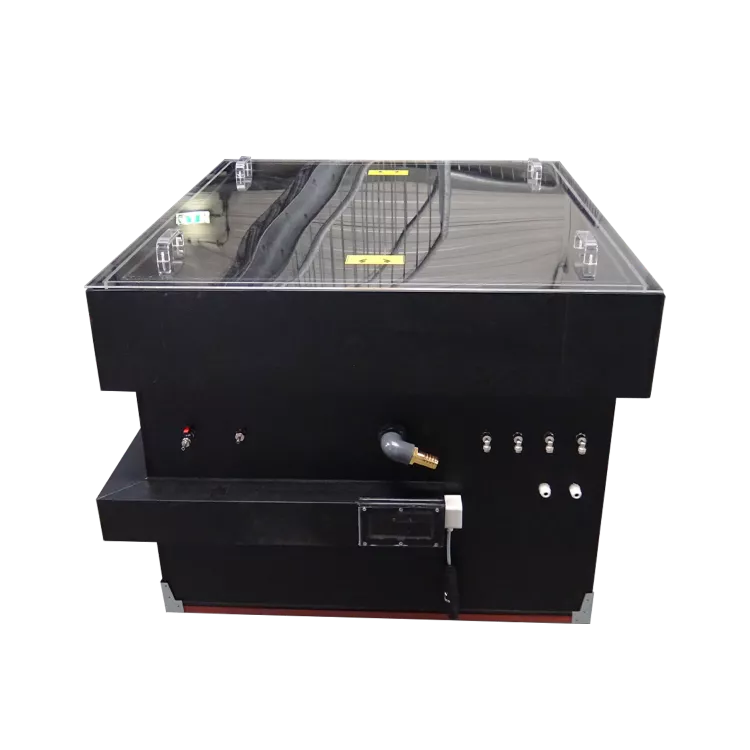
If your product variety is relatively new and no data is currently available, we can provide a complete set of easy-to-use research facilities and guidance to help you conduct small field research yourself!