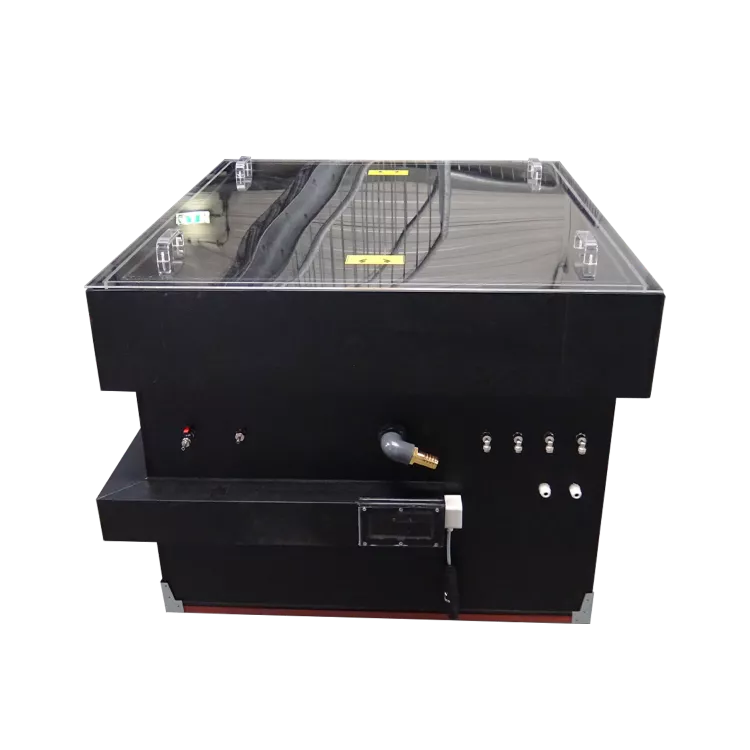
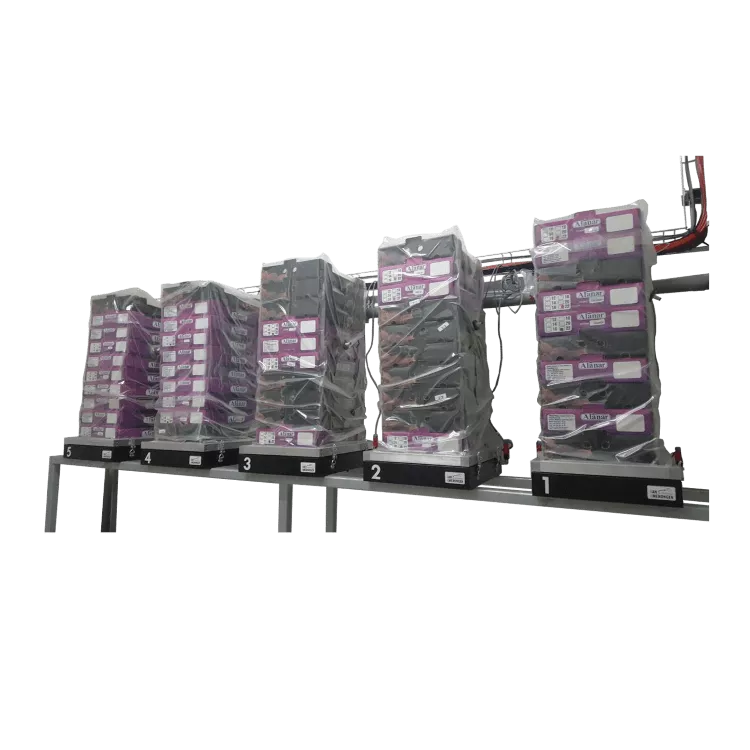
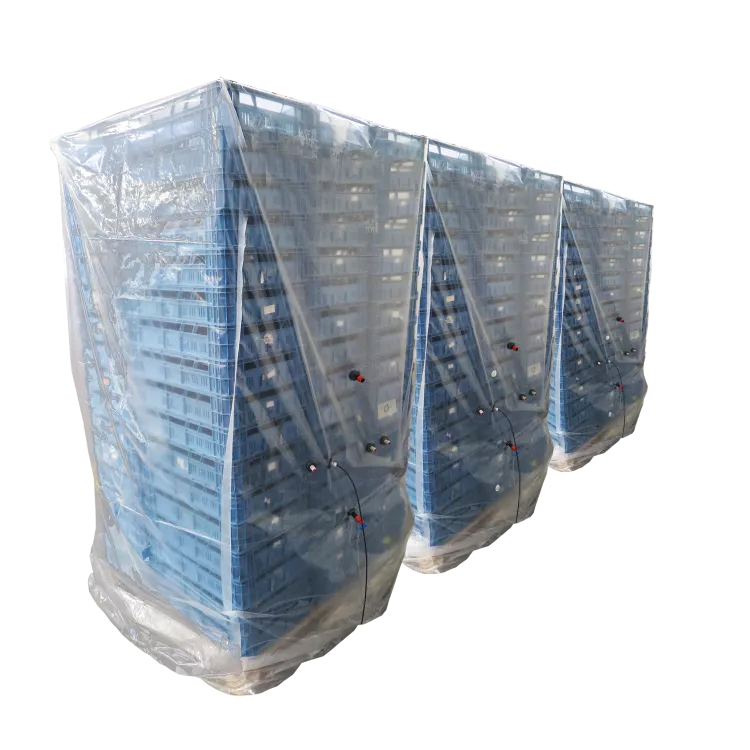
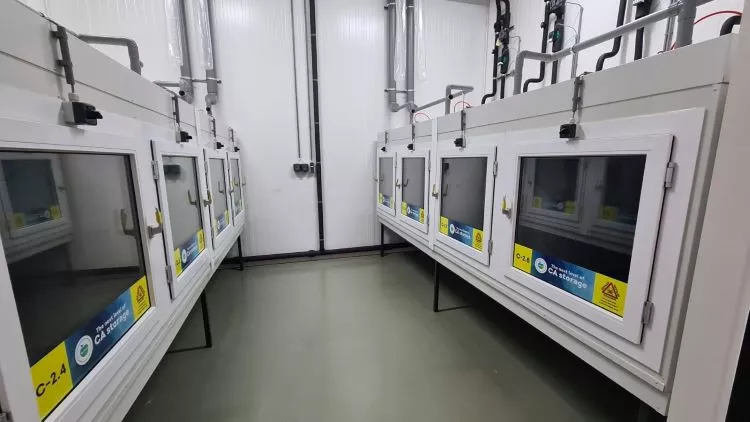
CA storage is incredibly beneficial compared to normal coldstores! Read below how this works.
General info about Pear storage
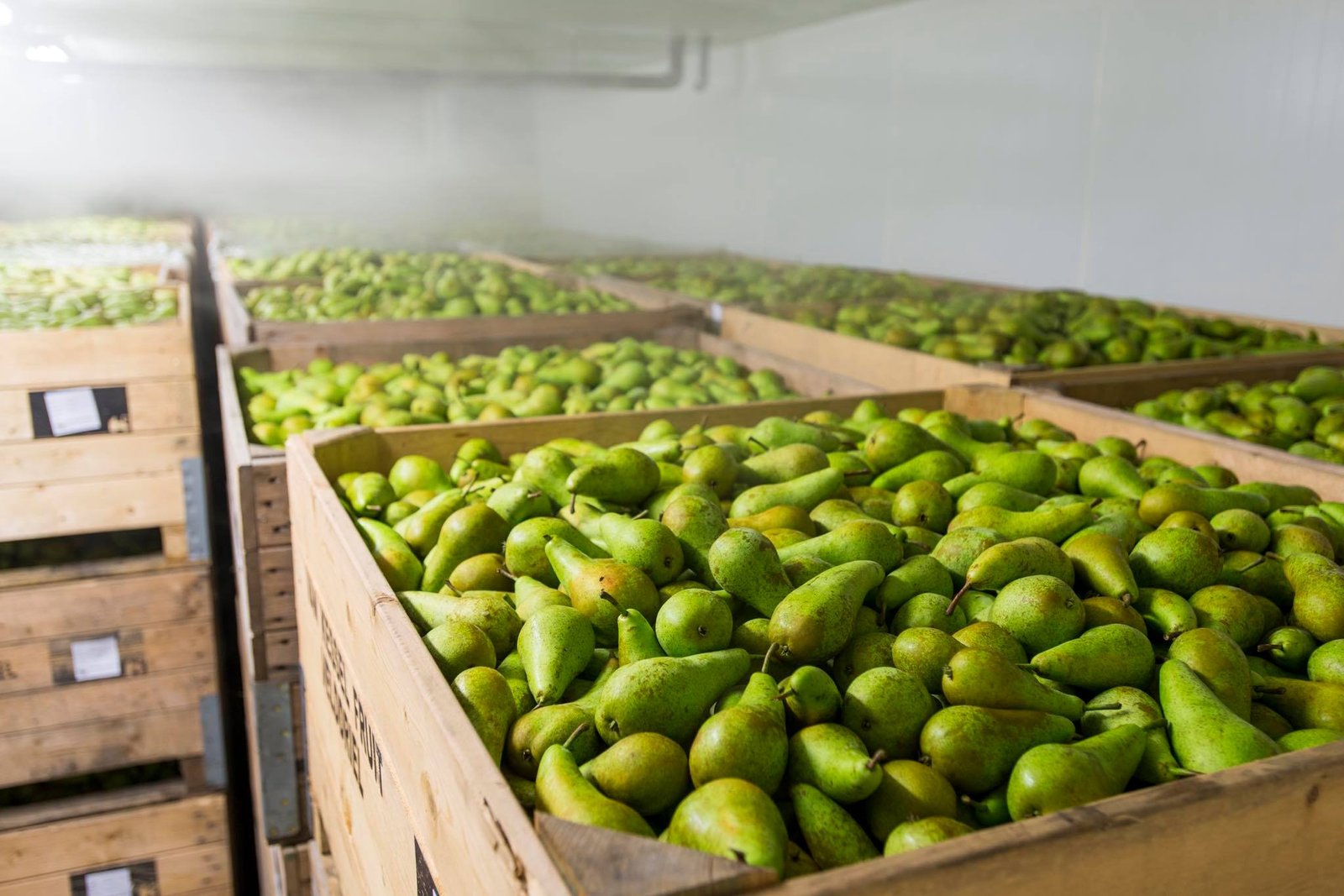
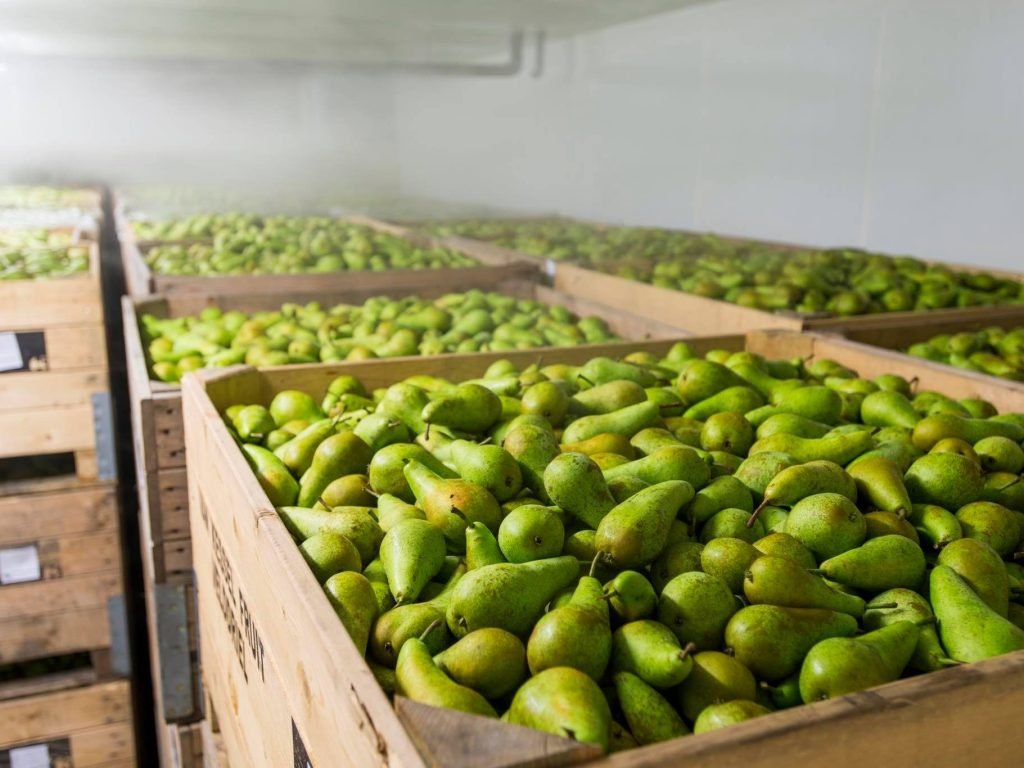
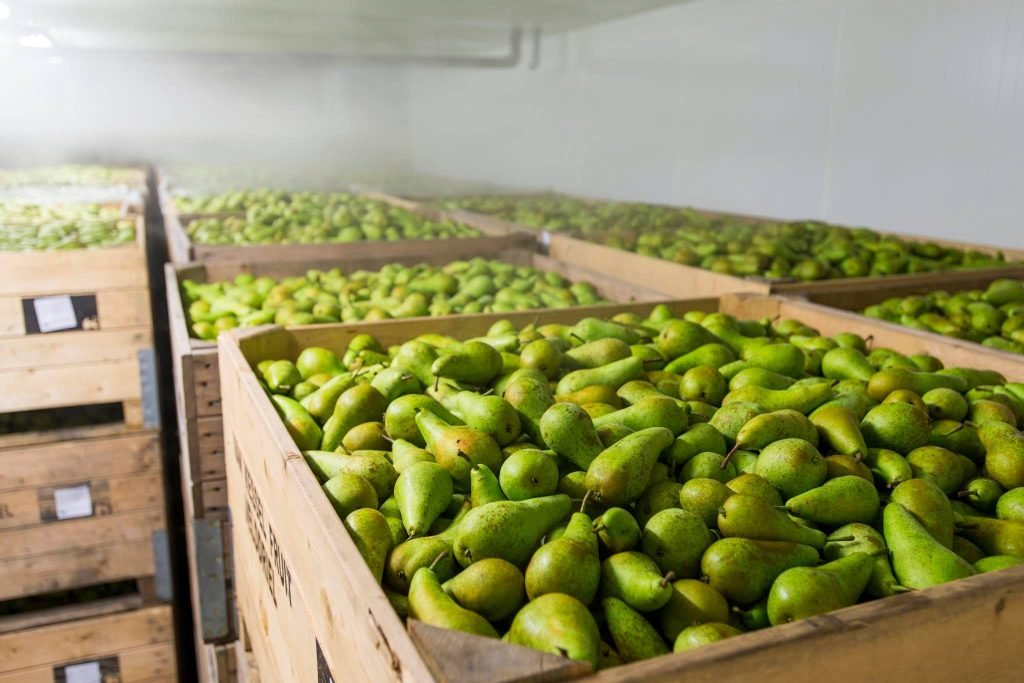
Pears can be stored for several months with the right conditions. Ideal storage temperatures are -1°C to 0°C with 90-95% relative humidity, and pre-cooling is essential to slow ripening. Controlled Atmosphere (CA) storage, using 2-3% O2 and 0.8-1% CO2, extends shelf life while preserving quality. As climacteric fruit, pears respond to ethylene, so managing ethylene levels helps delay ripening and prevent disorders. Advanced systems like Palliflex can further enhance storage duration, ensuring pears remain firm, flavorful, and market-ready
Harvesting Pears - initial quality is the key!
The moment of harvesting is extremely important in terms of the options for the pears thereafter. Long-term storage requires the pears to be harvested before ripening has begun. If the pears are harvested too early, this will mean a loss of weight because the fruits grow in diameter in the later phase. It also has consequences for quality.
Pears harvested too early may not ripen at all. Furthermore, there is a risk that the pears become worthless as a result of excessive moisture loss; pears then go soggy around the stalk (so-called ‘saggy necks’). Pears must also not be left to ripen on the tree (except Ya Li) because they then become mealy and grainy.
Pre-cooling pears
Pre-cooling pears immediately after harvest is essential to preserve their quality and extend storage life. By rapidly reducing the fruit’s temperature to around -1°C to 0°C, respiration and ripening slow down significantly, minimizing moisture loss and the risk of decay. Proper pre-cooling helps maintain firmness, flavor, and overall market quality, making it a critical step in the post-harvest handling process for pears.
(CA) Controlled atmosphere storage of Pears
Optimizing Storage Conditions to Maximize Shelf Life
Pears are commonly stored in cold storage and Controlled Atmosphere (CA) or Ultra-Low Oxygen (ULO) environments, allowing them to stay fresh for up to 12 months, depending on the variety. Optimal storage conditions include temperatures between -1°C and 0°C and 90-95% relative humidity to minimize moisture loss. While pears respond well to low oxygen (O₂) levels, they are less tolerant of high carbon dioxide (CO₂). Excessive CO₂, especially in combination with a late harvest, can increase susceptibility to fruit disorders. For most pear varieties, CO₂ levels should not exceed 0.7%.
Although pears produce very little ethylene when not ripening, they are highly sensitive to it, which can trigger the ripening process. In CA/ULO storage, ethylene production is significantly reduced, and pears become less reactive to the gas. As a result, the use of ethylene converters is generally unnecessary during pear storage under these conditions.
If your product variety is relatively new and no data is currently available, we can provide a complete set of easy-to-use research facilities and guidance to help you conduct small field research yourself!