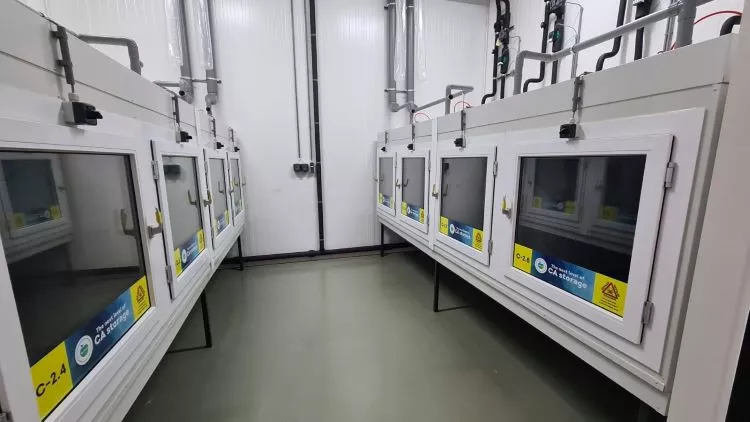
CA storage is incredibly beneficial compared to normal coldstores! Read below how this works.
General info about apple storage
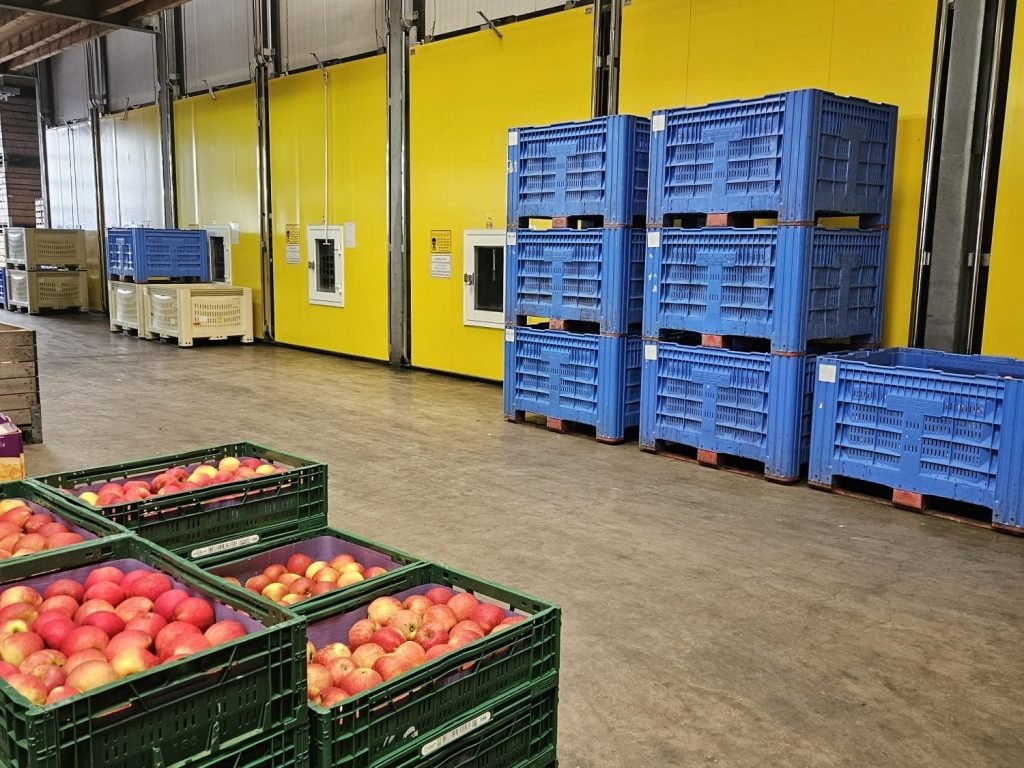
Apples are one of the most widely cultivated and consumed fruits globally, cherished for their versatility, nutrition, and variety. Grown in over 90 countries, apple production reaches millions of tons annually, with China, the United States, and Europe leading the way. From fresh consumption to juices and desserts, apples remain a staple in diets worldwide, celebrated for their crisp texture and refreshing taste.
Harvesting apples - initial quality is the key!
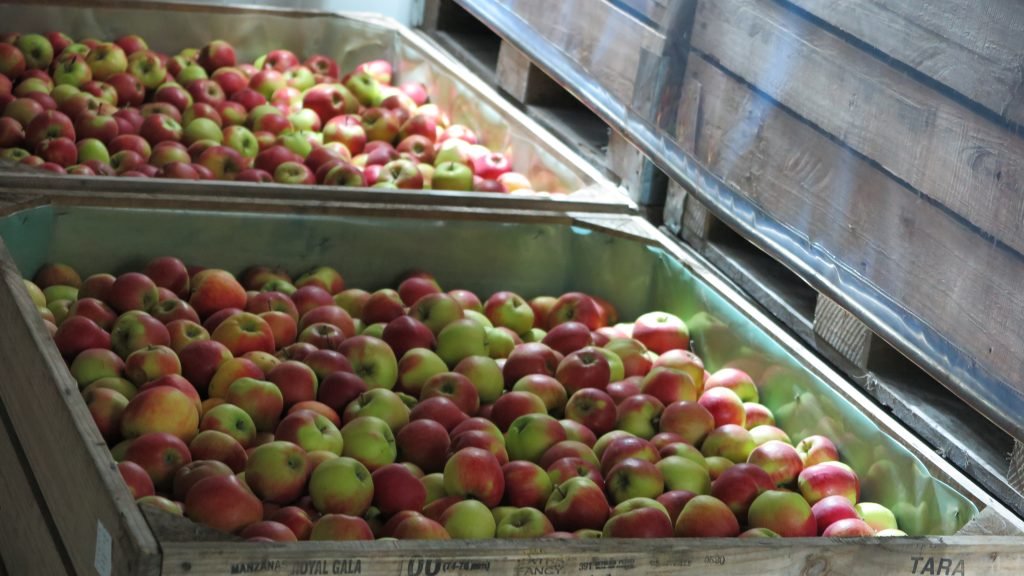
The moment of harvesting is extremely important in terms of the options for the apples thereafter. Long-term storage requires the apples to be harvested shortly before ripening has begun. If the apples are harvested too early, however, this will have consequences for quality; the fruits are then small, hard and green with little red bloom and are thus susceptible to ripening deficiencies such as scald and speck. If the apples are harvested too late, they may become mealy, soft and very sensitive and the options for storage are then limited.
Optimum storage conditions for apples
The optimum storage conditions for apples depend on the variety, harvesting moment, regions, location of orchard, etc. The advice below provides general storage conditions that are scientifically recommended but not specific for a particular region. It is, therefore, only an indication and no rights can be derived from this information. Ask a local university of research body for further advice.
Controlled atmosphere storage of apples
Optimizing Storage Conditions to Maximize Shelf Life
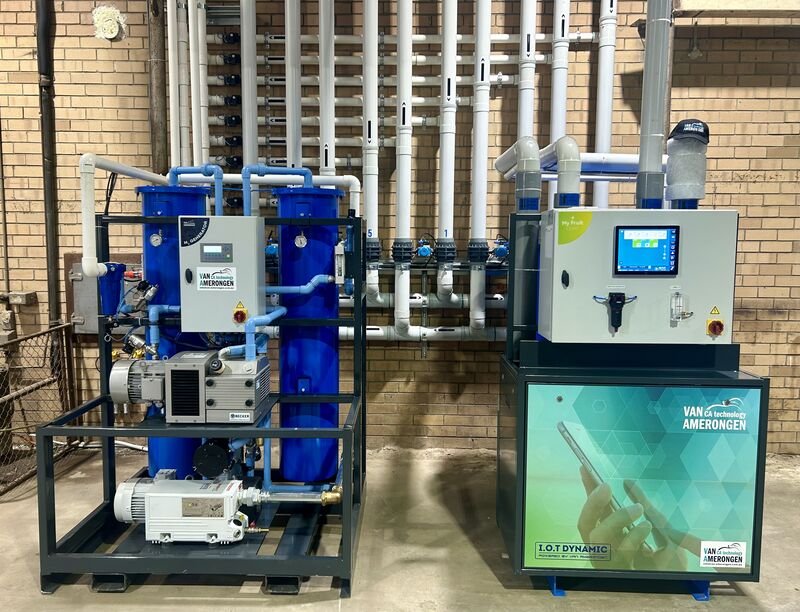
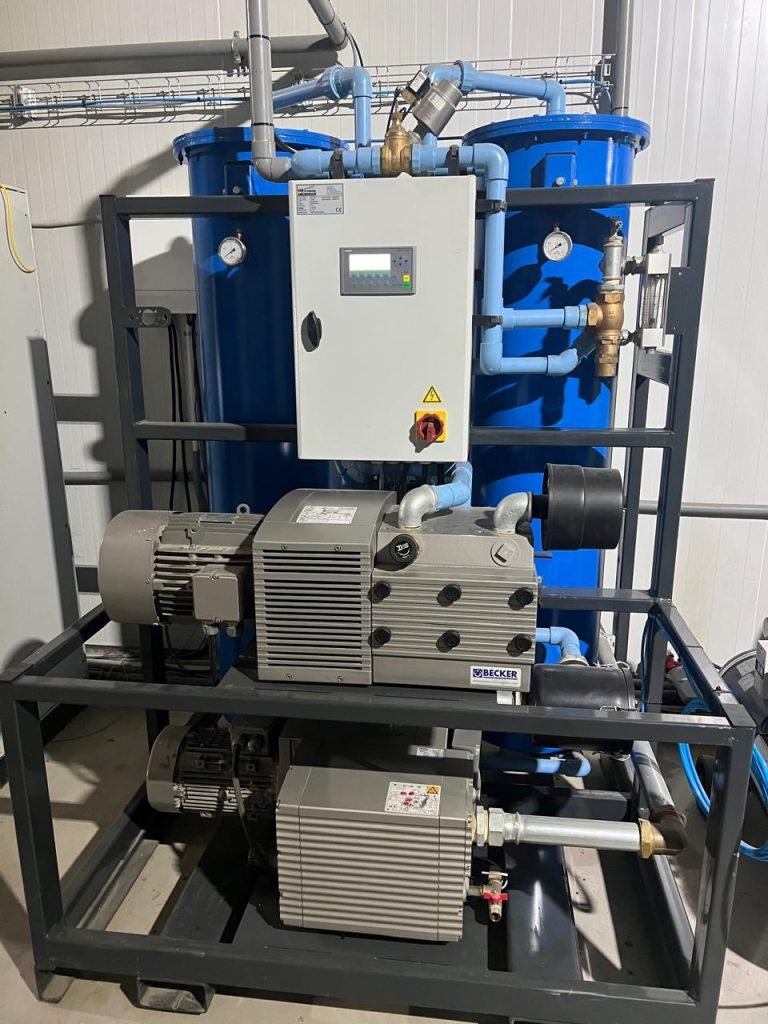
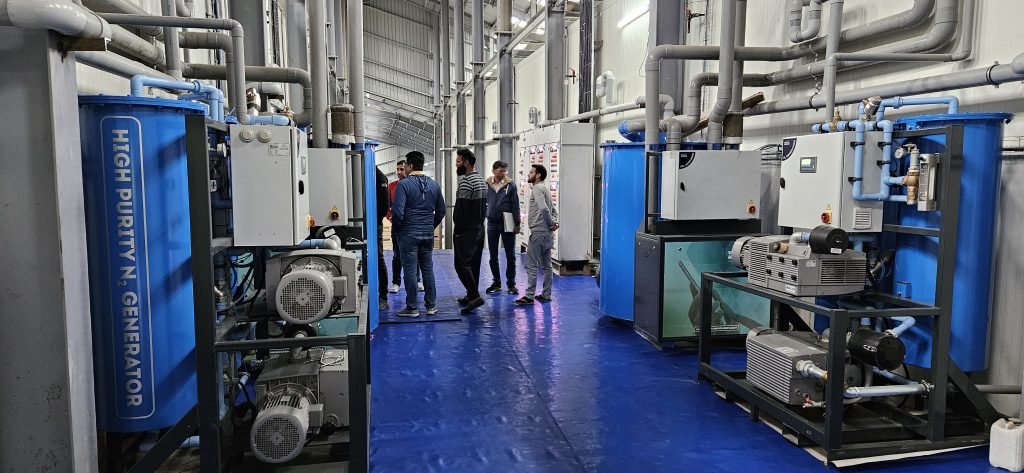
Apples are mostly stored in cool stores under controlled atmosphere. They can be stored for up to 12 months with CA/ULO storage and remain in good condition at a temperature of between 0 and 5 ºC, depending on the variety. In order to keep moisture loss to a minimum, apples should be stored in 90-95% atmospheric humidity. Apples generally respond very well to a reduction of O2 and an increase of CO2 (Controlled atmosphere storage). Generally, chilled apples produce little ethylene as long as they do not begin to ripen. They are, however, very susceptible to ethylene, which will set the ripening process in motion. There may also be apples among the crop that are allready ripening and are, therefore, producing ethylene; these can activate the ripening of their ‘neighbours’. By storing them in very low oxygen conditions (ULO storage), ethylene production is also kept very low. The sensitivity of apples to ethylene is significantly lower under ULO conditions
If your product variety is relatively new and no data is currently available, we can provide a complete set of easy-to-use research facilities and guidance to help you conduct small field research yourself!